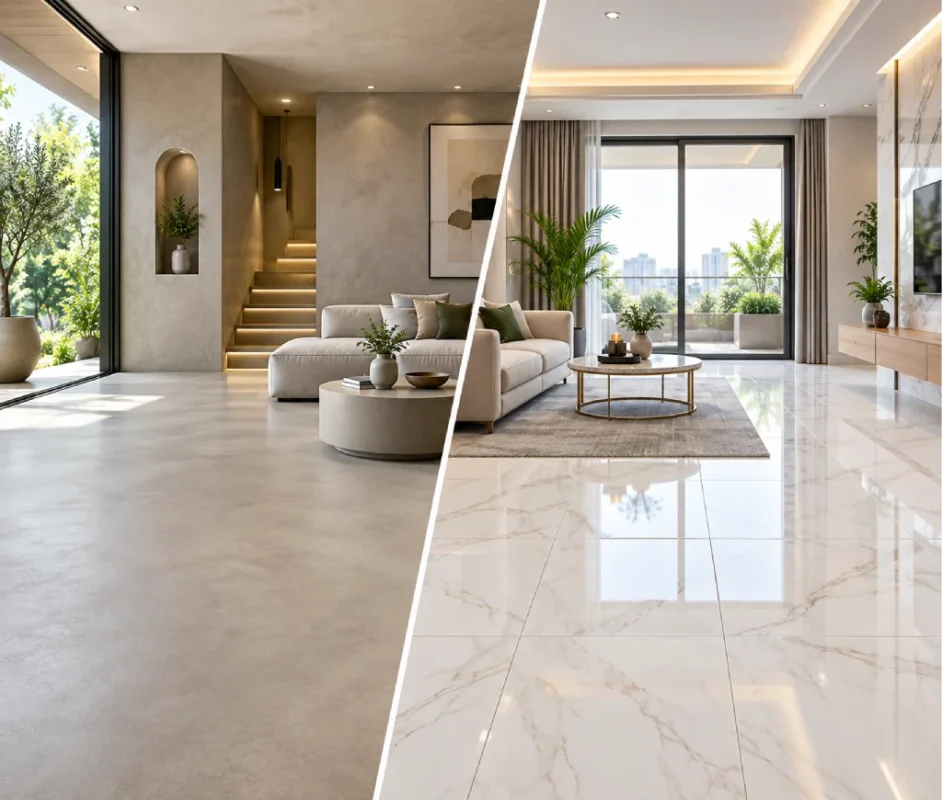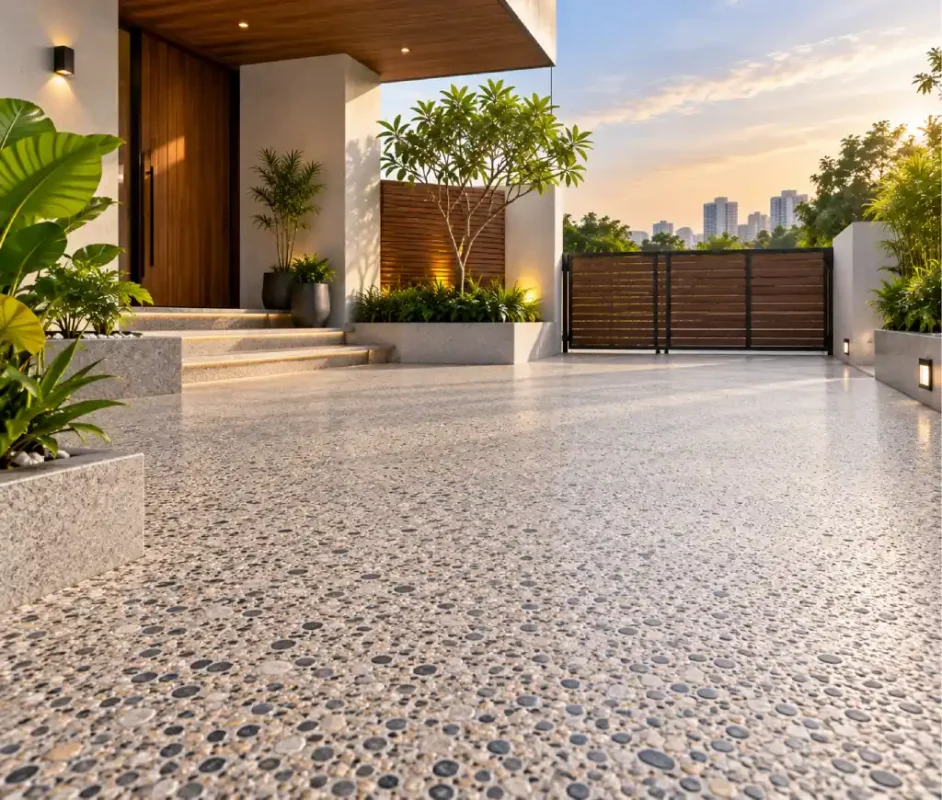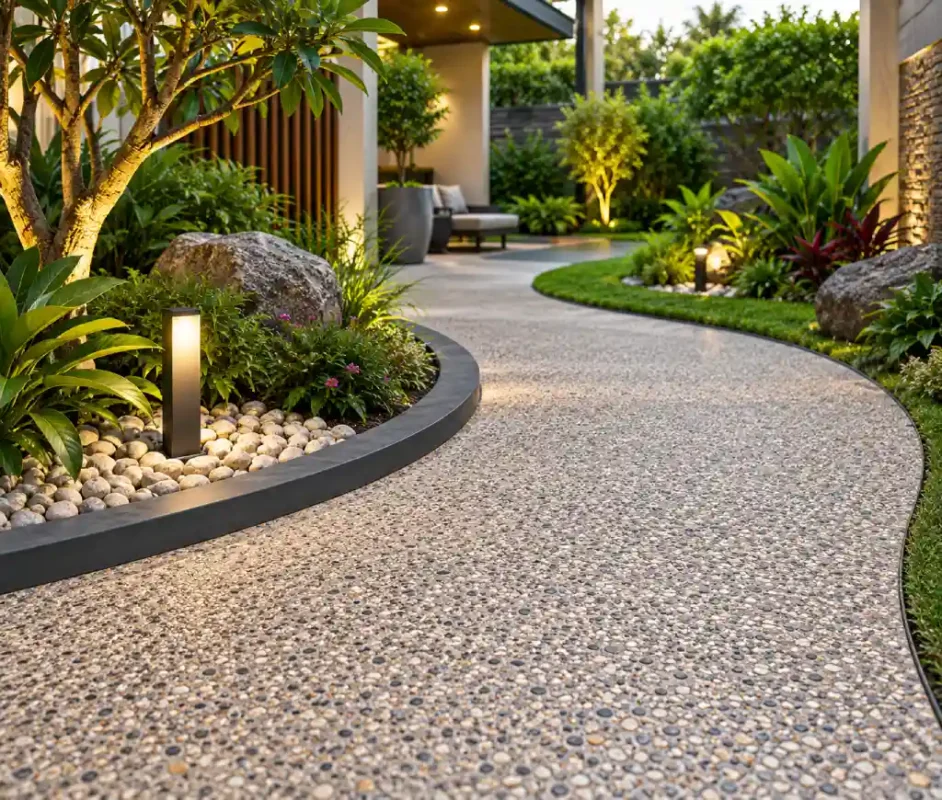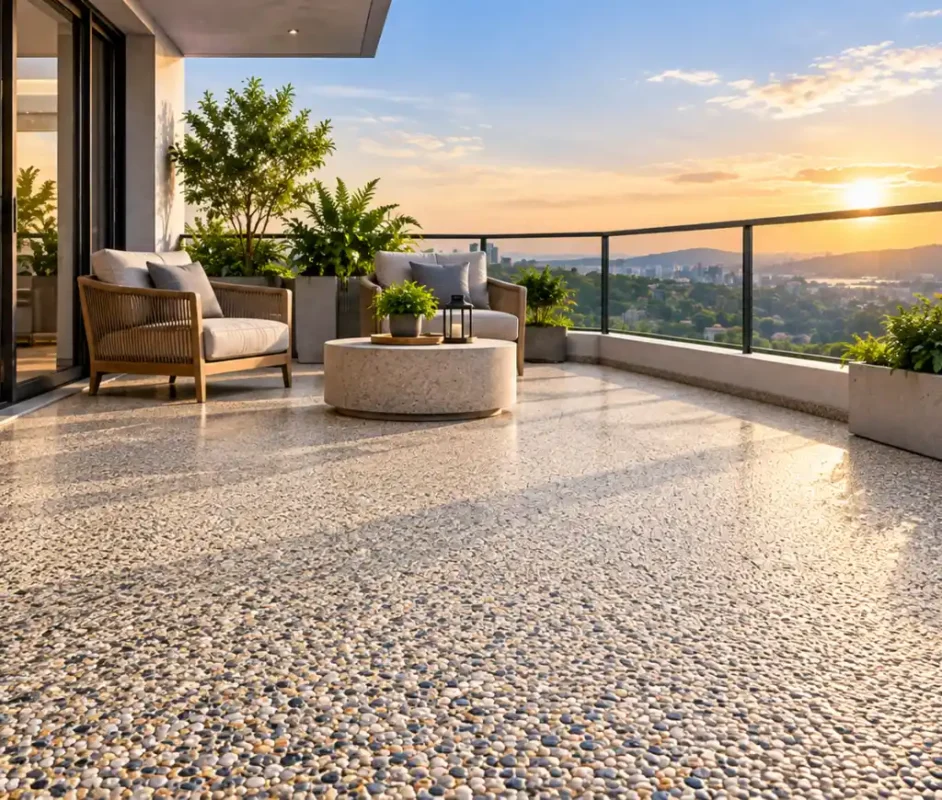

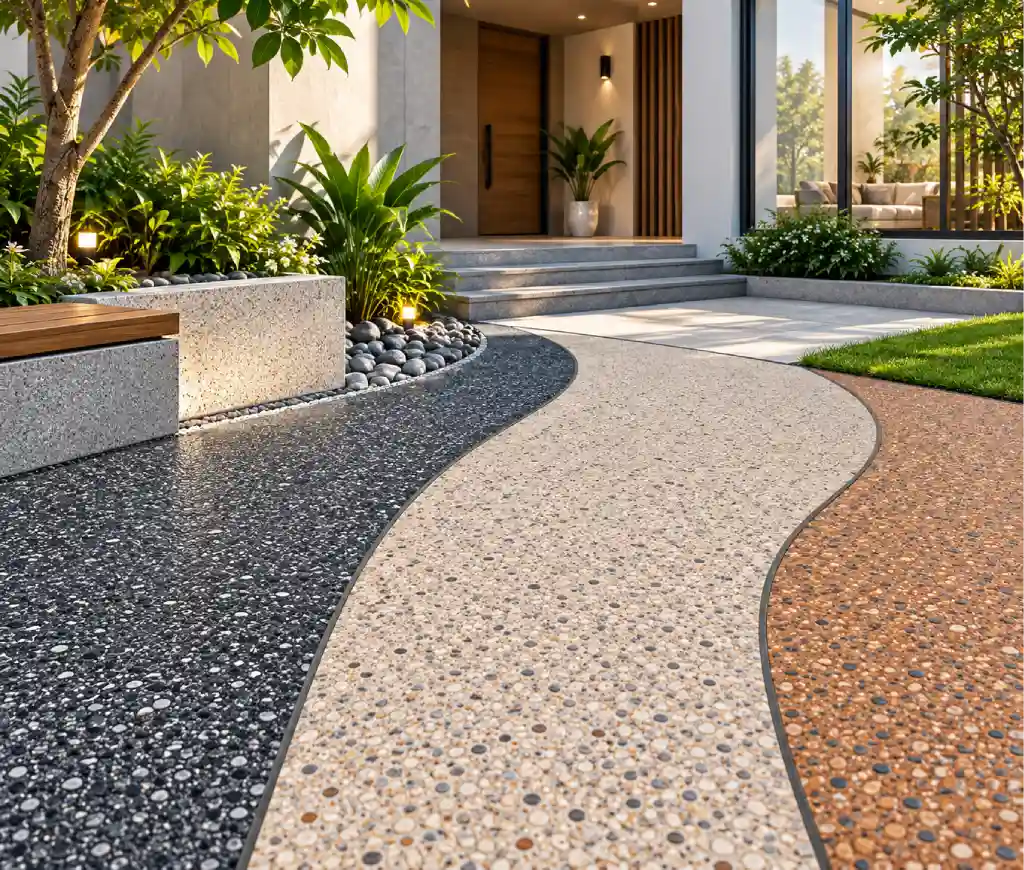
Choosing a flooring finish for your home is about much more than picking a colour that looks good in a sample. Flooring covers a significant visual area, interacts with natural and artificial light and needs to complement everything around it—from walls and furniture to landscaping and architectural details.
This is especially important when selecting decorative finishes such as Stonecrete.
With its stone-inspired appearance and textured character, Stonecrete can add depth and visual interest to residential spaces. But with different colour and texture possibilities available, choosing the right finish can sometimes feel overwhelming.
Should you choose a warm beige or a cool grey? Would a subtle texture work better indoors? Should an outdoor floor have a more natural, rugged appearance?
This guide will help you understand the key factors to consider when exploring stonecrete flooring colors and finishes for your home.
What Is Stonecrete Flooring?
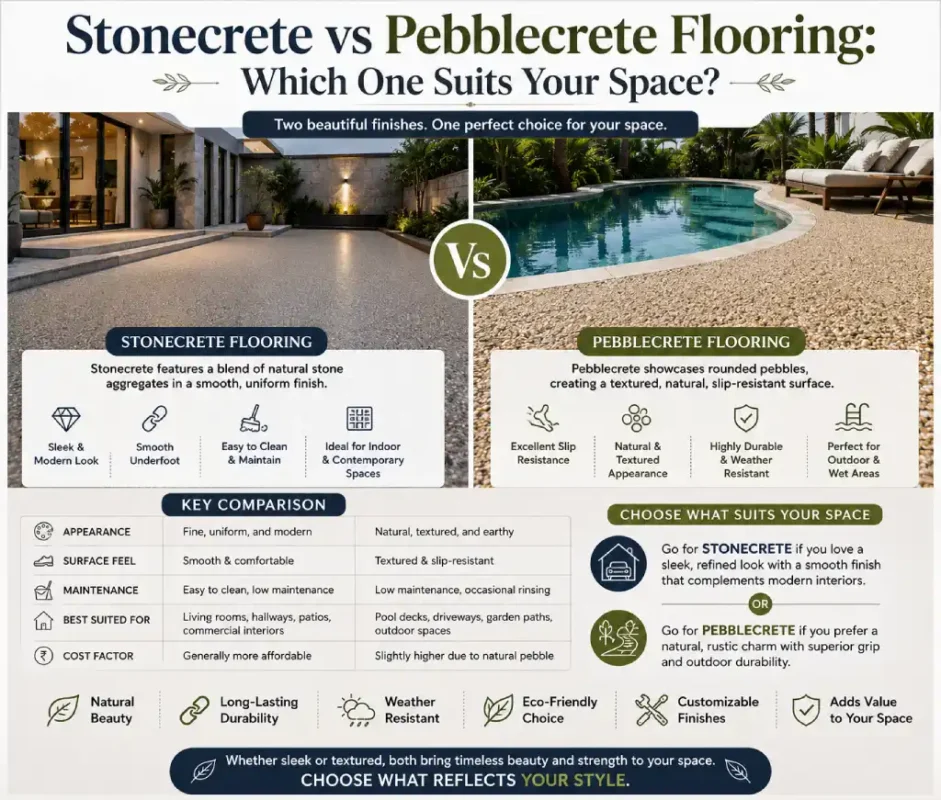
Stonecrete is a decorative flooring finish designed to create a stone-like visual character on a surface. Rather than looking completely uniform like conventional flooring, the finish can introduce variation through its aggregate, colour, texture and application.
This makes it particularly useful for homeowners who want their floors to become part of the overall interior or architectural design.
Depending on the selected finish, Stonecrete can create anything from a refined contemporary appearance to a more earthy, natural aesthetic.
The final result depends on several factors, including the base colour, aggregate tones, texture, surface treatment and surrounding materials.
Why Colour Matters So Much
Flooring colour can influence how a room feels.
Light shades can make a space appear brighter and more open, while deeper tones can create a more grounded and intimate atmosphere.
Warm earthy colours often work beautifully with timber, natural stone, plants and neutral furnishings. Cooler greys can complement modern architecture, metal accents and minimalist interiors.
When selecting Stonecrete, therefore, avoid choosing a shade simply because it looks attractive on a small sample.
Think about the entire space.
Ask yourself:
- What colour are the walls?
- How much natural light enters the room?
- What furniture will be placed on the floor?
- Are there wooden or stone elements nearby?
- Is the flooring indoors or outdoors?
- Do you want the floor to stand out or blend into the background?
These questions can make shade card selection much easier.
Understanding the Shade Card
A shade card is one of the most useful tools when selecting a decorative flooring finish.
It allows you to compare different colour possibilities before committing to a particular option. However, it is important to remember that a small sample may not look exactly the same when applied across a large floor.
Lighting can significantly affect perception.
A beige shade that appears warm under indoor lighting may look different in bright daylight. Similarly, grey can appear warmer or cooler depending on the surrounding colours.
For this reason, look at samples in lighting conditions similar to those of your actual space.
If possible, evaluate the shade during different times of the day.
Warm Stonecrete Shades for a Natural Home
Warm tones are an excellent choice for homeowners who want an earthy, welcoming environment.
Think of shades inspired by:
- Sand
- Beige
- Cream
- Taupe
- Warm grey
- Terracotta
- Natural stone
These colours can work particularly well in living rooms, verandas, courtyards and outdoor areas.
They also pair naturally with wooden furniture, rattan, plants and other organic materials.
For a home with a warm architectural palette, a natural-looking Stonecrete finish can create continuity between the indoors and outdoors.
Cool Greys for Contemporary Interiors
Grey remains a popular choice in contemporary architecture because it is versatile and visually understated.
A cool or neutral grey Stonecrete finish can work well with modern furniture, glass, black metal, concrete-inspired walls and minimalist décor.
It can also provide an attractive contrast against warmer furniture and natural wood.
However, extremely cool grey tones can sometimes make a space feel visually cold if they are combined with too many similarly cool materials.
Balance is important.
Adding timber, greenery, warm lighting or textured fabrics can soften the overall appearance.
Earthy Tones for Outdoor Spaces
Outdoor areas often benefit from colours that connect naturally with their surroundings.
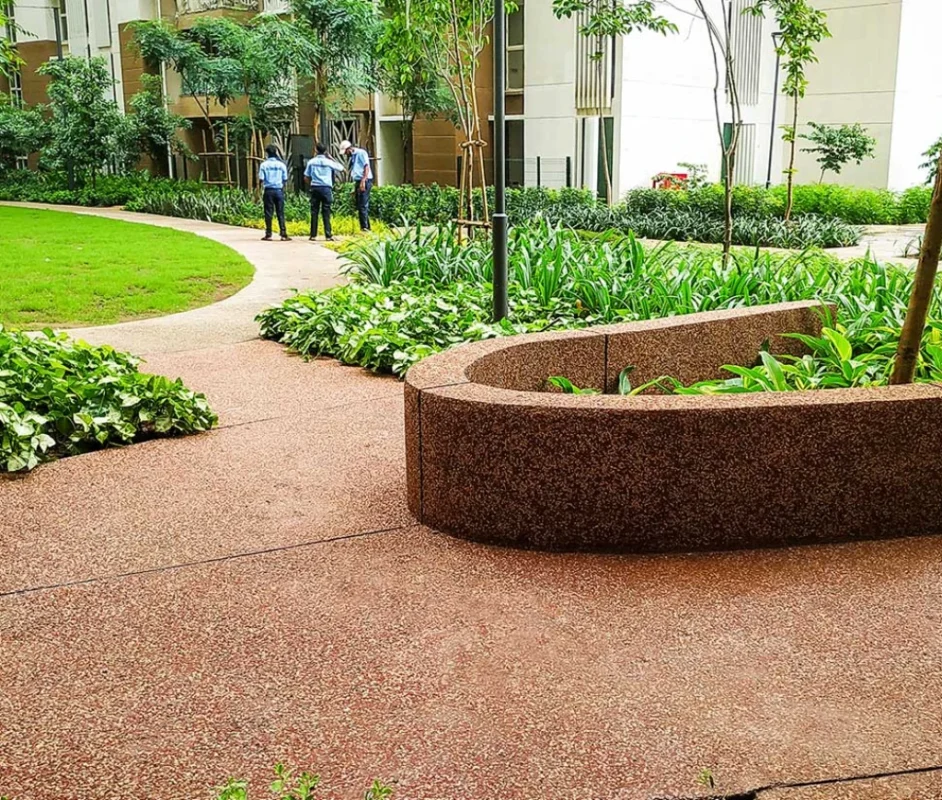
A Stonecrete finish in a muted earthy shade can work well around gardens, terraces, patios, pathways and outdoor seating areas.
Rather than creating a strong contrast with the landscape, natural tones allow the flooring to become part of the environment.
This is particularly effective when the space includes plants, stone walls, wooden furniture or other natural materials.
The goal is to create an outdoor floor that feels integrated rather than artificially placed.
Texture Is Just as Important as Colour
When discussing stonecrete flooring colors and finishes, colour is only half of the equation.
Texture can completely change the personality of a surface.
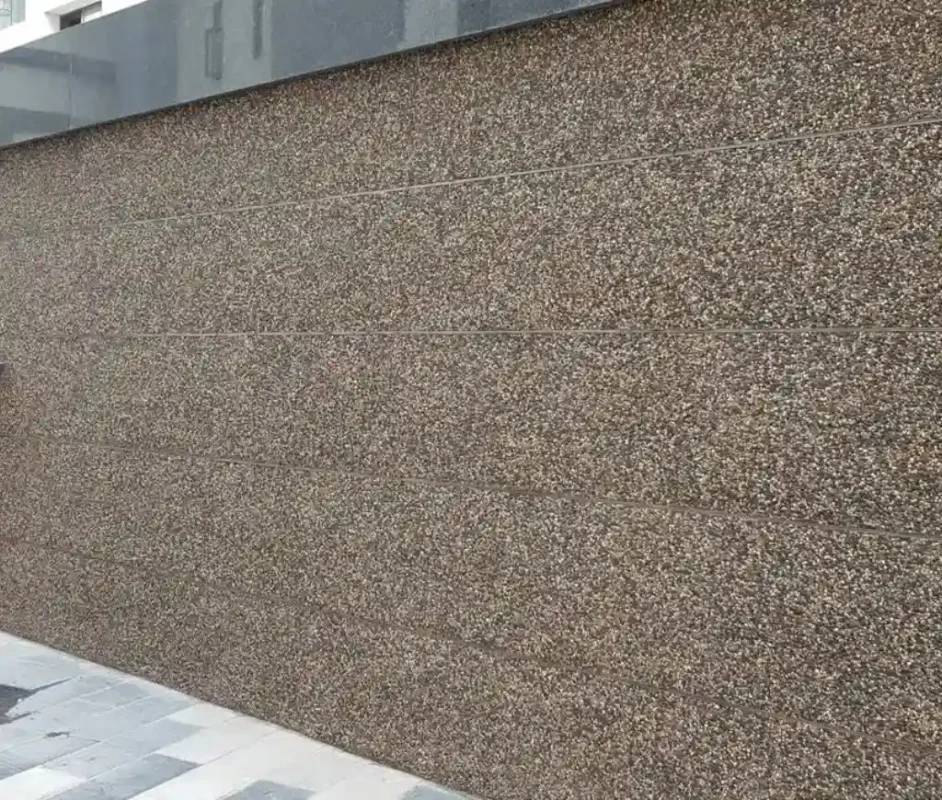
A subtle texture can create a refined, sophisticated appearance, while a more pronounced aggregate can produce a stronger natural-stone effect.
Consider how you want the floor to look from different distances.
From across the room, the flooring may appear relatively uniform. Up close, however, the texture can reveal variations that add depth.
This layering of visual detail is one of the biggest advantages of decorative flooring.
Subtle vs Bold Texture
So, how do you decide between a subtle and bold texture?
A subtle texture is generally suitable when:
- You want a minimalist interior.
- Furniture and décor are already visually prominent.
- You prefer understated flooring.
- The room is relatively small.
- You want the floor to act as a neutral background.
A stronger texture can work when:
- The architecture is simple.
- You want flooring to become a design feature.
- The space has an earthy or rustic aesthetic.
- You are designing an outdoor area.
- You want a stronger stone-inspired appearance.
The best finish is the one that supports the overall design rather than competing with it.
Custom Pebble Finish: Adding More Character
For homeowners looking for something more distinctive, a custom pebble finish can offer additional design flexibility.
Variations in aggregate size, colour and composition can influence the final appearance of the floor.
A fine aggregate can create a relatively delicate appearance, while larger decorative stones can make the surface feel more rugged and natural.
Customisation can also help coordinate the floor with existing architectural materials.
For example, if your exterior includes warm beige stone, the flooring can be designed around complementary aggregate tones rather than introducing a completely unrelated colour.
Think About the Architecture
The architecture of your home should influence your flooring choice.
A modern villa with clean lines and large glass openings may benefit from a neutral grey or refined Stonecrete finish.
A farmhouse-inspired property might look better with warm beige, taupe or earthy tones.
A Mediterranean-inspired home could incorporate warmer shades that complement terracotta, timber and natural stone.
For a minimalist home, a restrained colour palette and subtle texture may be more appropriate.
The flooring should feel like part of the architecture—not an element added after everything else has been designed.
Indoor Stonecrete Flooring
Inside the home, Stonecrete can be considered for areas where you want a distinctive decorative floor with a strong material presence.
Living rooms can benefit from neutral finishes that allow furniture to remain the focus.
Dining spaces can use slightly warmer shades to create a welcoming atmosphere.
For corridors and transition spaces, a consistent finish can help create visual continuity.
Large open-plan spaces can particularly benefit from decorative flooring because the floor becomes an important part of the overall composition.
Outdoor Stonecrete Flooring
Outdoor flooring has a different visual requirement.
It needs to work with sunlight, landscaping, exterior walls and surrounding architectural materials.
Natural and earthy tones often work well because they complement gardens and outdoor furniture.
Stone-inspired textures can also help outdoor areas feel less formal and more connected to nature.
Consider using a consistent Stonecrete finish across connected spaces such as a patio, veranda and outdoor walkway to create a seamless visual transition.
The exact system and finish should always be selected according to the site’s conditions and intended use.
Don’t Ignore Natural Light
Natural light can transform how flooring colour appears.
A room facing east may receive strong morning light, while a west-facing space can have warmer evening illumination. North- and south-facing rooms can also perceive colours differently depending on the environment.
This means a Stonecrete sample should ideally be viewed in the actual space before making the final decision.
Ask:
Does the shade look too yellow?
Does the grey feel too cold?
Does the texture disappear in low light?
Does it become too visually strong in direct sunlight?
These small observations can prevent major design regrets later.
Match or Contrast?
There are two main approaches to choosing flooring.
Matching
You can select a Stonecrete shade that closely complements the existing colour palette.
This creates a calm, cohesive environment.
For example, beige flooring with cream walls and natural wood furniture can produce a soft, understated look.
Contrasting
Alternatively, you can intentionally create contrast.
A warm interior with darker grey flooring can create a stronger contemporary statement.
Similarly, a light Stonecrete surface can contrast beautifully with dark furniture or architectural elements.
Neither approach is universally better. The choice depends on the mood you want to create.
Consider the Size of the Space
Floor colour and texture can also influence visual perception.
Lighter shades generally help smaller spaces feel more open and airy. In larger spaces, deeper or more varied finishes can add visual weight and prevent the floor from feeling empty.
However, this does not mean dark flooring should never be used in small rooms.
A carefully designed small space can look striking with darker flooring if the walls, lighting and furniture are balanced appropriately.
The key is to consider the complete composition.
One Finish Doesn’t Have to Mean One Look
Decorative flooring can also be incorporated creatively into larger properties.
For example, you could use one Stonecrete finish for a main living area and a complementary shade for an outdoor zone.
Alternatively, borders or transition areas can introduce subtle changes in colour or texture.
The important thing is to maintain a visual relationship between the different finishes.
Too many unrelated colours can make a property feel fragmented, while carefully coordinated shades can create a sense of flow.
Think Long-Term
Flooring is not something most homeowners want to change frequently.
While current design trends can be useful for inspiration, your final selection should ideally have lasting appeal.
Neutral earthy tones, natural stone-inspired colours and balanced textures tend to work well because they can adapt to changing furniture and décor.
Before selecting an especially bold finish, ask yourself whether you would still enjoy seeing it several years from now.
A timeless base can always be enhanced with changing furniture, rugs, lighting and accessories.
Practical Considerations Matter Too
A beautiful finish still needs to be appropriate for its intended location.
When selecting Stonecrete, consider:
- Expected foot traffic
- Indoor or outdoor use
- Exposure to weather
- Cleaning requirements
- Surface preparation
- Drainage in outdoor areas
- Compatibility with the existing substrate
- Professional installation requirements
The ideal decorative flooring solution should balance appearance with practical performance.
A professional can help determine which finish and application system is appropriate for the specific site.
Create a Cohesive Material Palette
One of the easiest ways to improve a home’s design is to avoid selecting materials independently.
Instead, create a material palette.
For example:
Stonecrete flooring: warm beige
Walls: soft off-white
Furniture: natural wood
Accents: muted green
Metal: matte black
This approach creates visual harmony without making every element identical.
Similarly, a cool grey Stonecrete floor could be paired with white walls, walnut furniture, black fixtures and greenery for a contemporary aesthetic.
Common Mistakes to Avoid
Choosing From a Tiny Sample Alone
A sample cannot always communicate how a finish will appear across a large area.
Ignoring Lighting
Always consider natural and artificial lighting.
Using Too Many Textures
If your walls, furniture and flooring are all highly textured, the space can become visually busy.
Forgetting the Surroundings
Outdoor flooring should complement landscaping and architecture.
Following Trends Blindly
Choose a finish that suits your home’s architecture and your personal taste rather than simply copying the latest trend.
Prioritising Colour Over Everything Else
Texture, aggregate, application and maintenance are equally important.
Choosing the Right Stonecrete Finish for Your Home
There is no single “best” Stonecrete finish.
The right choice depends on your home’s architecture, room size, lighting, furniture, landscaping and personal design preferences.
For a warm and natural aesthetic, explore beige, sand, taupe and earthy tones.
For contemporary interiors, consider neutral greys and refined textures.
For outdoor spaces, natural stone-inspired colours can create a strong connection with the landscape.
And if you want something more individual, explore custom aggregate and texture possibilities.
The goal is not simply to select a beautiful floor.
The goal is to select a finish that makes the entire space feel right.
Explore Stonecrete Finishes with Instakrete
Choosing decorative flooring is an opportunity to give your home a stronger sense of materiality and character.
Instakrete’s range of architectural finishes allows designers and homeowners to explore surfaces that move beyond conventional flooring and wall treatments.
When considering Stonecrete, take time to compare shades, examine textures and evaluate samples in the actual environment. Think about how the floor will interact with light, furniture, walls, landscaping and the overall architecture.
Because the best flooring choice isn’t necessarily the most dramatic one.
Sometimes, it is the finish that quietly brings everything together.
Choose the right colour. Choose the right texture. And create a surface that becomes part of your home’s identity.