
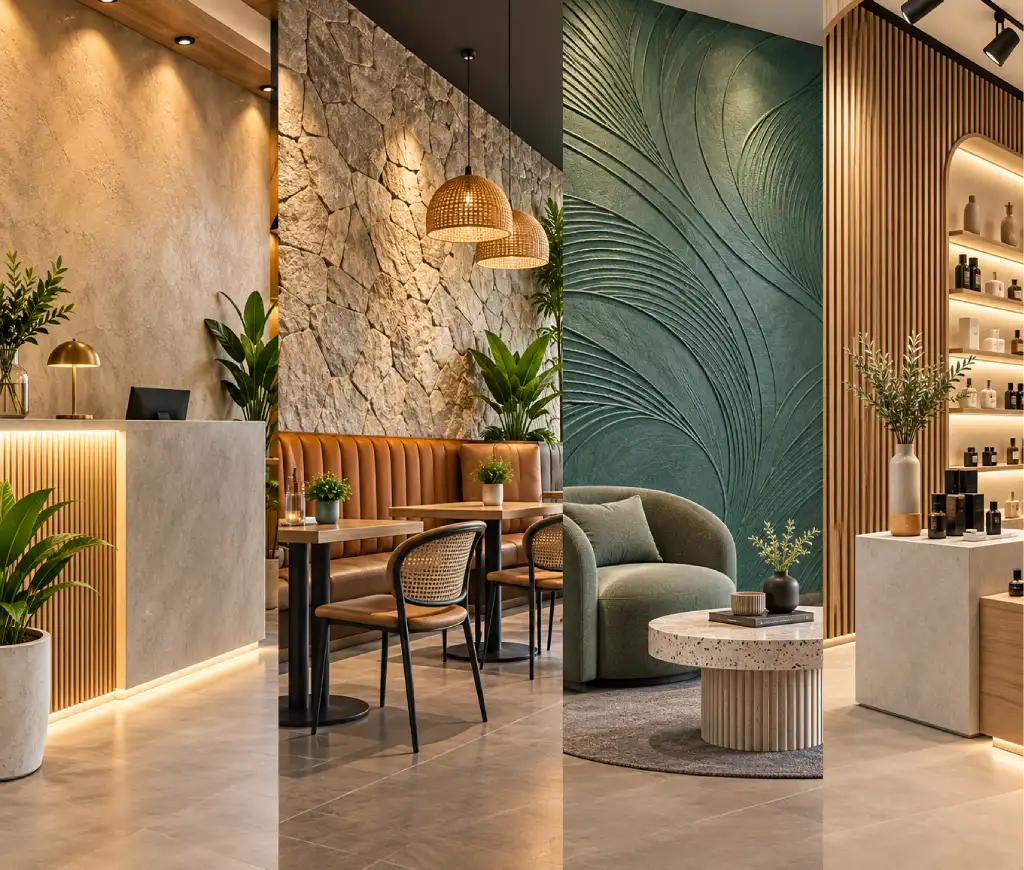
In commercial interiors, walls are more than background surfaces. They contribute to the atmosphere customers experience, reinforce a brand’s visual identity and influence how a space looks in photographs, videos and everyday use. This is especially important in hotels, cafes, restaurants, retail stores and other high-footfall environments.
Choosing the right decorative wall finish for commercial interiors therefore requires more than selecting a colour or attractive texture. The finish needs to balance aesthetics with durability, maintenance, application time and the practical demands of the space.
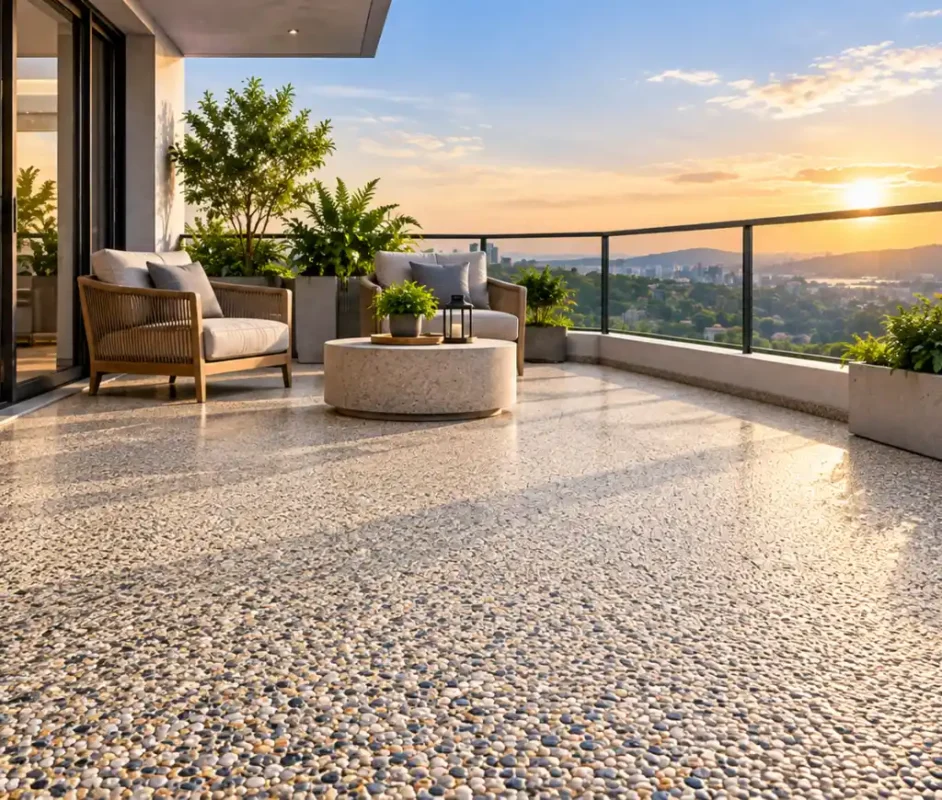
Modern decorative finishes such as microcement, lime plaster, concrete textures, brick finishes and other architectural coatings can help commercial spaces develop a distinctive visual identity without relying entirely on conventional paint or heavy cladding. InstaKrete offers decorative wall textures and architectural surface solutions for residential and commercial environments, with finishes designed around aesthetics, durability and customised application.
Why Decorative Wall Finishes Work Well in Commercial Spaces
Hotels, cafes and retail stores need interiors that make an immediate impression. A plain painted wall can provide a clean background, but a decorative finish can add depth, texture and character to the same surface.
For a hotel, a textured wall can create a memorable lobby or corridor. In a cafe, an exposed brick or concrete-inspired finish can establish an industrial or contemporary atmosphere. In a retail showroom, a sophisticated texture can become part of the brand’s visual language.
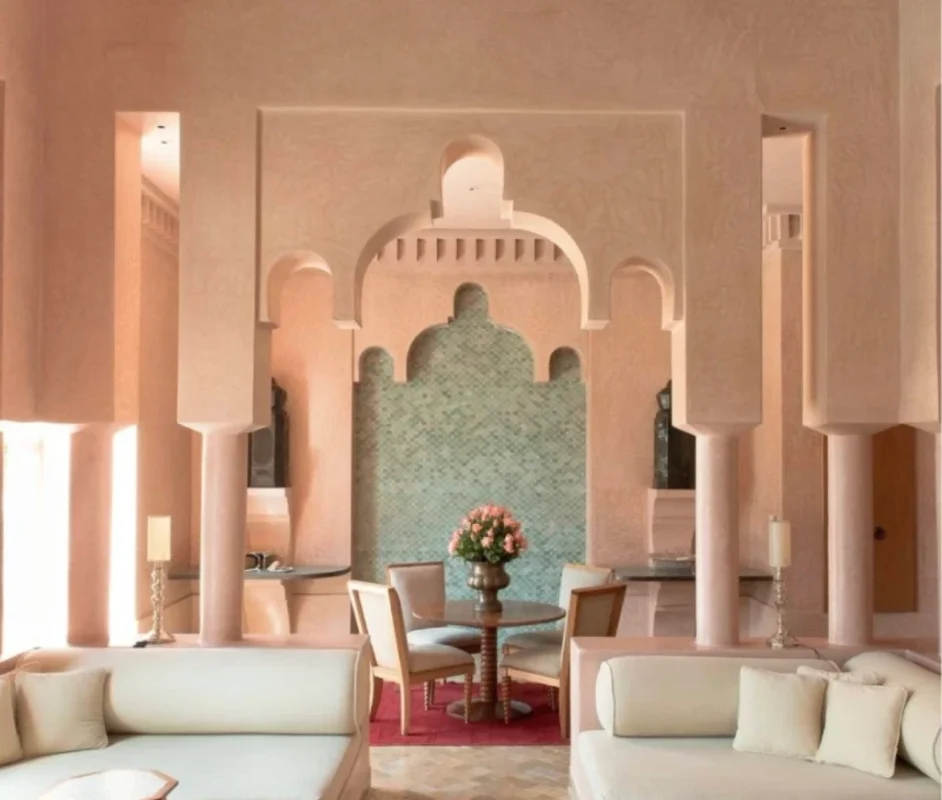
InstaKrete’s existing texture range includes finishes such as microcement, Moroccan plaster, brick texture, concrete texture and Italian-inspired decorative plaster, providing different aesthetic directions for commercial interiors.
Wall Texture for Cafe Interior Design
Cafes are particularly suited to decorative wall finishes because their interiors often need to create an identifiable mood.
An exposed brick-style finish can support an industrial or heritage-inspired concept, while concrete textures can work with minimalist furniture, metal elements and contemporary lighting. InstaKrete’s brick texture applications specifically mention restaurants, cafés and hospitality spaces as suitable environments for these finishes.
For a premium cafe, a more refined plaster or lime-based finish can create a softer and more sophisticated atmosphere. Feature walls can also be used strategically behind the reception counter, coffee bar or seating area instead of applying an expensive finish throughout the entire property.
The objective should be to make the wall finish part of the overall design rather than treating it as an isolated decorative element.
Hotel Lobby Wall Finish: Creating a Strong First Impression
Hotel lobbies are among the most visible interior spaces in a hospitality property. Guests spend time waiting, checking in, meeting others and taking photographs, making the walls an important part of the experience.
A hotel lobby wall finish should complement the hotel’s architecture, furniture, lighting and overall positioning.
Large feature walls can work well with sophisticated plaster effects, concrete-inspired surfaces, subtle textures or premium decorative finishes. InstaKrete’s Italian-inspired lime plaster is positioned for luxury homes, boutique hotels, restaurants and premium commercial spaces where handcrafted visual depth is desired.
For hospitality projects, consistency is also important. The selected finish may be repeated across reception areas, corridors, restaurants or selected guest spaces to create a coherent design language.
Retail Store Wall Texture in India
Retail interiors need to communicate a brand quickly. Customers should be able to recognise the atmosphere and positioning of a store through its architecture, signage, lighting, displays and finishes.
This makes a retail store wall texture in India more than an aesthetic decision. It can become a brand identity surface.
For example, a fashion store may use refined plaster or microcement to create a premium minimalist environment. A lifestyle store may prefer earthy or natural textures, while a sports or technology showroom may benefit from concrete-inspired or contemporary finishes.
InstaKrete’s wall texture applications include retail showrooms and commercial properties, demonstrating how decorative surfaces can be incorporated into different commercial design concepts.
Choosing Finishes for High-Traffic Areas
Commercial walls experience more activity than most residential walls. Customers, employees, furniture, luggage, cleaning equipment and deliveries can all contribute to surface wear.
This makes high-traffic durability an important consideration.
Areas such as hotel corridors, cafe entrances, restaurant seating zones and retail circulation areas may experience repeated contact and occasional impacts. A decorative finish should therefore be selected according to the expected level of use rather than purely on appearance.
Consider factors such as:
- Abrasion resistance
- Scuff resistance
- Ease of cleaning
- Resistance to stains
- Repairability
- Recoating requirements
- Expected traffic levels
Different finishes will have different performance characteristics, so the appropriate system should be selected for the specific application.
Abrasion and Scuff Resistance Matter
A wall can look impressive immediately after installation but still be unsuitable for a busy commercial environment if it is difficult to maintain.
Abrasion resistance becomes particularly relevant in corridors, retail aisles, restaurant seating areas and other locations where walls may experience repeated contact.
Similarly, scuff resistance can help maintain the appearance of walls exposed to furniture, luggage, equipment and everyday customer activity.
This does not mean every commercial wall requires the most heavily engineered coating available. Instead, the finish should be matched to the expected use of each zone.
A decorative feature wall in a low-contact area may have different requirements from a corridor wall in a busy hotel.
Fire Safety Compliance Should Be Considered
Aesthetic performance is only one part of commercial interior specification.
Hotels, restaurants, cafes and retail properties must consider applicable building, fire and safety requirements when selecting interior materials and finishes. Depending on the building type, location and application, fire-performance requirements may apply to certain wall systems, substrates or interior materials.
Therefore, project teams should verify the relevant fire safety compliance requirements before finalising a decorative coating system.
Product documentation, technical specifications and applicable local regulations should be reviewed by the architect, contractor or project consultant where required.
Application Time and Commercial Downtime
One of the biggest challenges in commercial renovation is keeping the business operational.
A hotel may not want to close an entire lobby. A cafe may need to continue serving customers. A retail store may have a fixed reopening date.
This makes the site timeline and downtime important when planning decorative wall finishes.
Before installation begins, the project team should understand:
- Surface preparation requirements
- Number of application coats
- Drying or curing intervals
- Protection required during installation
- Furniture and fixture movement
- Final cleaning requirements
- Expected handover date
For larger projects, phased application can help reduce disruption. Instead of treating the entire property simultaneously, selected areas can be completed in stages according to the operational schedule.
For example, a hotel could renovate one corridor or lobby zone at a time, while a retail store could schedule wall work around quieter operating periods.
Surface Preparation Is Critical
A premium decorative finish cannot compensate for a poor substrate.
Walls should be checked for cracks, moisture, loose material, dust, contamination and unevenness before application. Depending on the chosen system, the surface may require levelling, priming or other preparation.
InstaKrete’s guidance on texture coatings highlights surface preparation as a critical factor in achieving proper adhesion and reducing problems such as cracking, peeling and uneven finishes.
This becomes even more important for commercial projects because repairs after opening can interrupt operations and affect the customer experience.
Decorative Finishes That Can Work in Commercial Interiors
Microcement and Microtopping
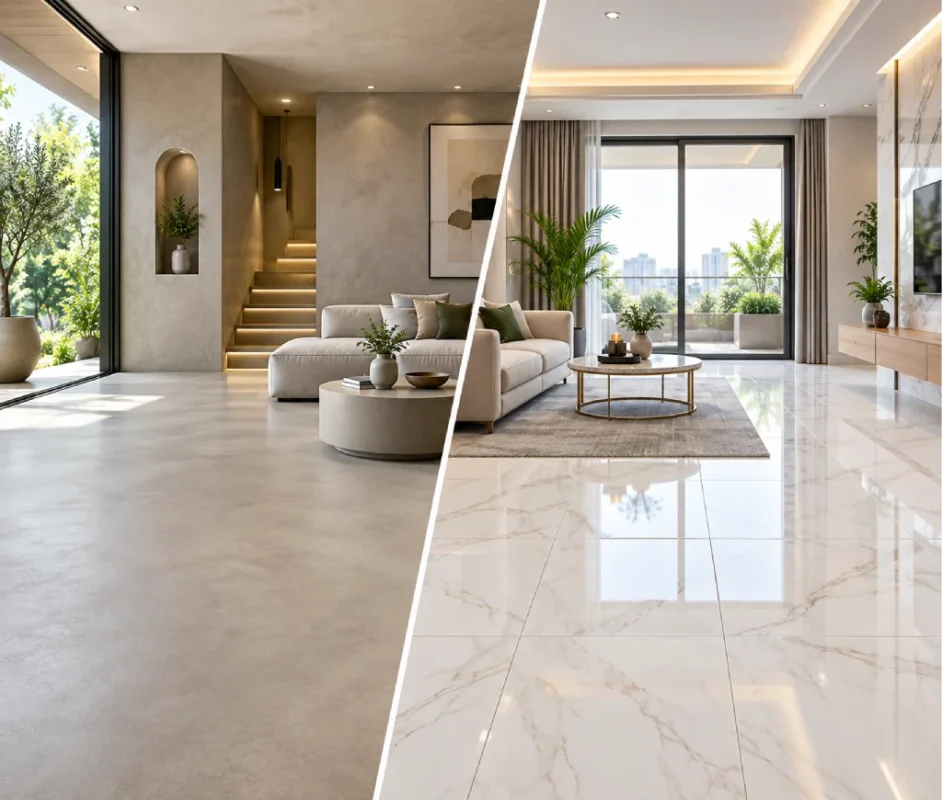
Microcement-style finishes can create a clean, contemporary appearance with minimal visual interruption. InstaKrete describes its microtopping wall system as an ultra-thin solution for modern interior spaces and notes its suitability for residential and commercial renovations.
It can work particularly well in modern retail spaces, hospitality environments, restaurants and designer commercial interiors.
Concrete Texture
Concrete-inspired walls can provide an industrial and contemporary character. They work well with exposed lighting, metal, timber and minimalist furniture.
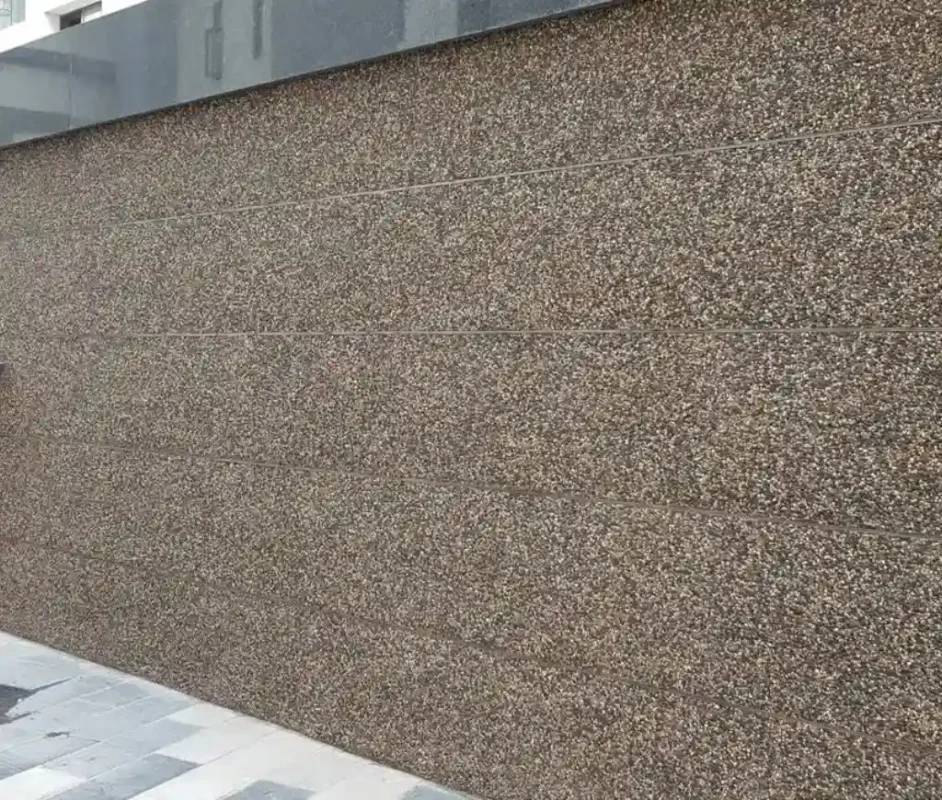
InstaKrete’s concrete texture is positioned for modern architectural environments and is described as suitable for commercial spaces, with repair and recoating possible.
Brick Texture
Brick textures can introduce warmth and architectural character without necessarily relying on conventional heavy brick cladding.
They can be suitable for cafes, restaurants, retail stores, offices and hospitality environments where an industrial, rustic or heritage-inspired appearance is desired.
Lime Plaster
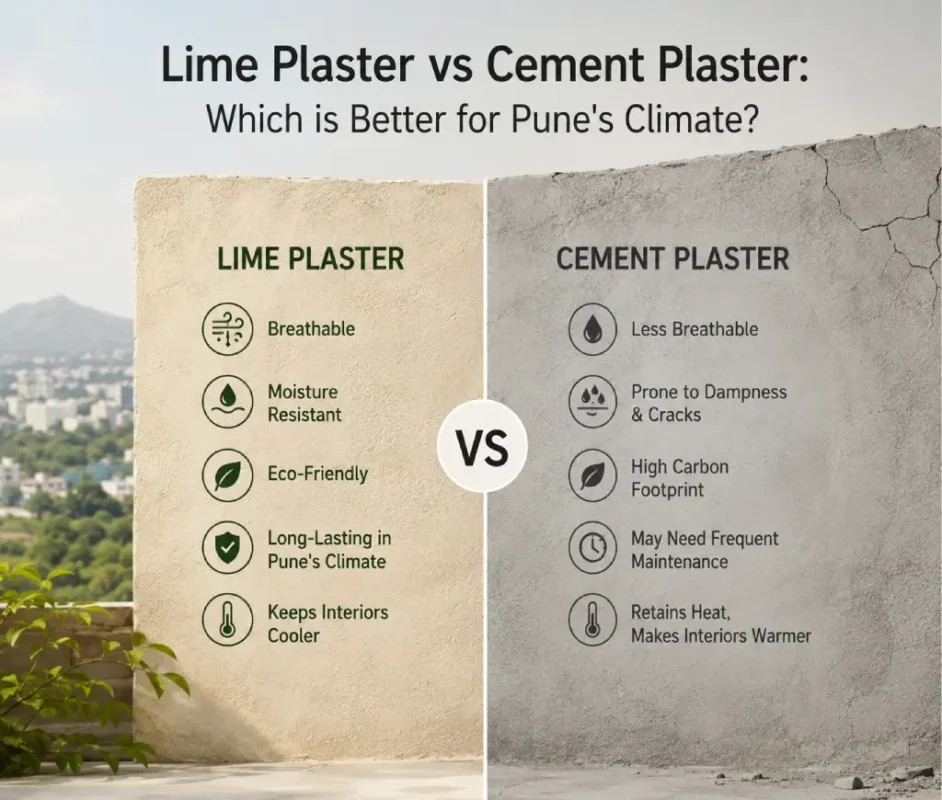
Lime plaster can provide a softer, handcrafted appearance compared with harder industrial textures.
InstaKrete’s Insta Lime Plaster is positioned as an Italian-inspired decorative finish for premium interiors, including boutique hotels, restaurants and commercial spaces.
Moroccan and Decorative Plaster Finishes
Decorative plaster can introduce depth, movement and a handcrafted quality to hospitality and premium retail interiors.
Such finishes can be especially effective on feature walls where lighting is used to highlight variations in texture.
Design the Finish Around the Brand
A common mistake in commercial interiors is selecting a wall finish simply because it looks attractive in a sample.
Instead, consider how the finish interacts with the brand.
A premium fashion store may require understated sophistication. A casual cafe may benefit from warmth and texture. A boutique hotel may want a handcrafted finish that creates a sense of exclusivity.
The wall should support the brand rather than compete with signage, merchandise, furniture and lighting.
This is where the idea of a brand identity surface becomes useful. A carefully selected texture can become part of the visual signature of a business.
Maintenance and Commercial Longevity
Commercial interiors require regular cleaning and maintenance. However, cleaning methods should be compatible with the selected coating.
Before specifying a finish, ask the applicator or manufacturer about suitable cleaning products, stain resistance, repair procedures and recoating requirements.
Also consider the practical reality of future repairs. In a busy commercial property, localised damage can occur even when a coating is durable. A finish that can be professionally repaired or recoated can provide an advantage during long-term maintenance.
InstaKrete highlights repair and recoating as features of some of its decorative coating systems.
What About Commercial Warranty?
A commercial warranty should be reviewed before the project begins rather than after installation.
Warranty terms can vary according to the product, substrate, application conditions and project specification. The contract or product documentation should clearly identify what is covered and for how long.
Commercial clients should ask about:
- Material warranty
- Application/workmanship warranty
- Surface preparation requirements
- Maintenance obligations
- Exclusions
- Repair procedures
- Recoating requirements
- Environmental or usage limitations
A clearly documented warranty helps property owners, architects, contractors and facility managers understand their responsibilities after project completion.
How to Choose the Right Decorative Wall Finish
The best approach is to evaluate the space before selecting the finish.
Start with usage. Determine whether the wall is in a lobby, corridor, cafe seating area, retail display zone or low-contact feature area.
Consider the design direction. Decide whether the interior requires a raw concrete appearance, exposed brick character, refined plaster finish or seamless modern surface.
Evaluate durability. Consider footfall, abrasion, scuffing, cleaning frequency and the possibility of accidental impact.
Review installation requirements. Understand preparation, application time, drying periods and whether phased application is required.
Check technical requirements. Review applicable fire safety, moisture, substrate and product specifications.
Plan for maintenance. Ask how the finish should be cleaned, repaired and eventually refreshed.
This approach ensures the finish is selected as part of the complete commercial interior rather than as a standalone decorative element.
Final Thoughts
A successful commercial interior needs to look impressive on opening day and continue performing after months or years of daily use. That’s why choosing a decorative wall finish for commercial interiors requires a balance between design, durability, maintenance and installation practicality.
Hotels can use sophisticated textures to strengthen hospitality design and create memorable lobby and guest experiences. Cafes can use brick, concrete and plaster finishes to establish a distinctive atmosphere. Retail stores can turn feature walls into part of their brand identity.
The most important consideration is to match the finish to the application. Evaluate high-traffic durability, abrasion resistance, scuff resistance, cleaning requirements, fire safety compliance, site timeline and commercial warranty before finalising the system.
With appropriate surface preparation, professional application and a finish selected for the environment, decorative wall textures can transform commercial interiors into spaces that are visually distinctive, practical and built for everyday business.
InstaKrete offers a range of architectural surface finishes and decorative coatings for commercial and residential environments, including microcement, concrete-inspired textures, brick finishes, lime plaster and other bespoke surface solutions.