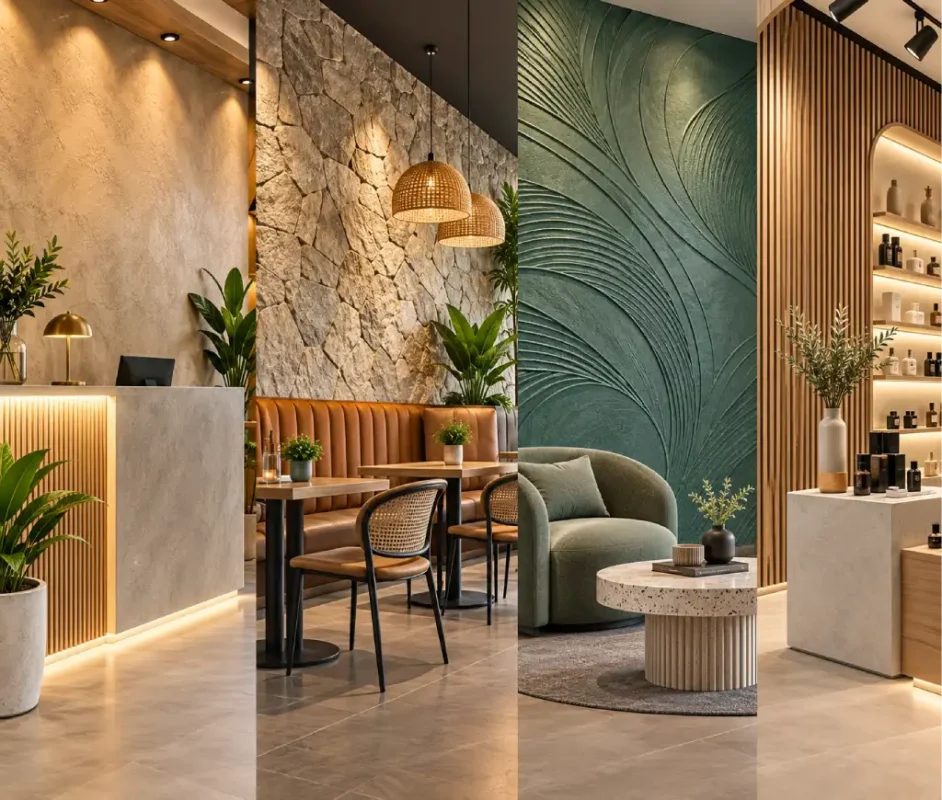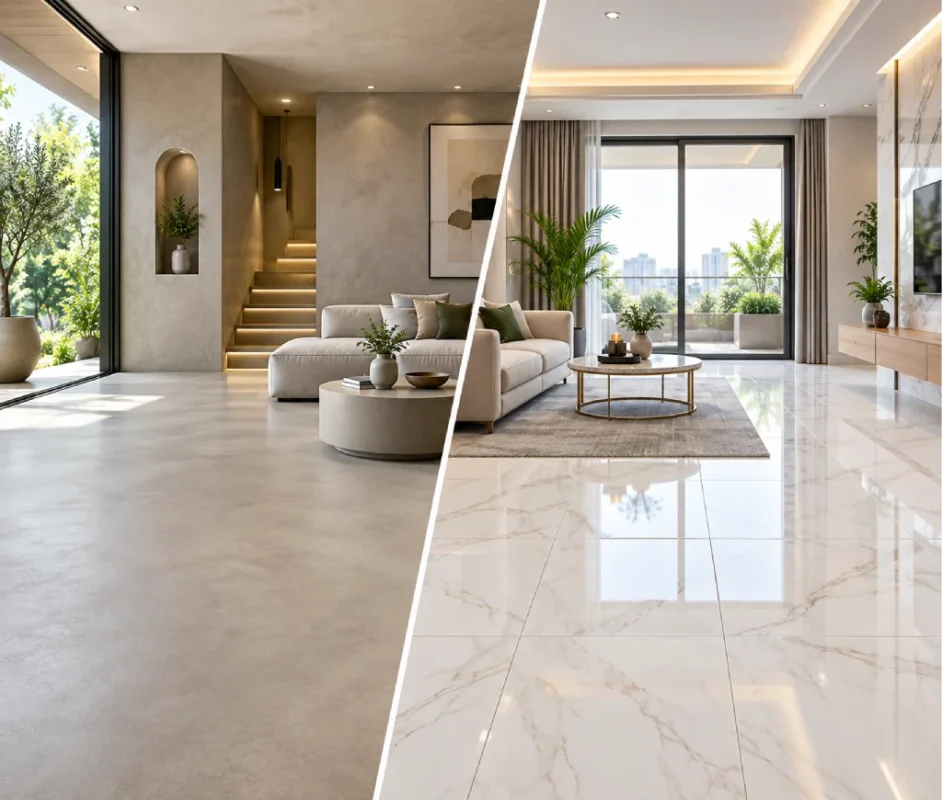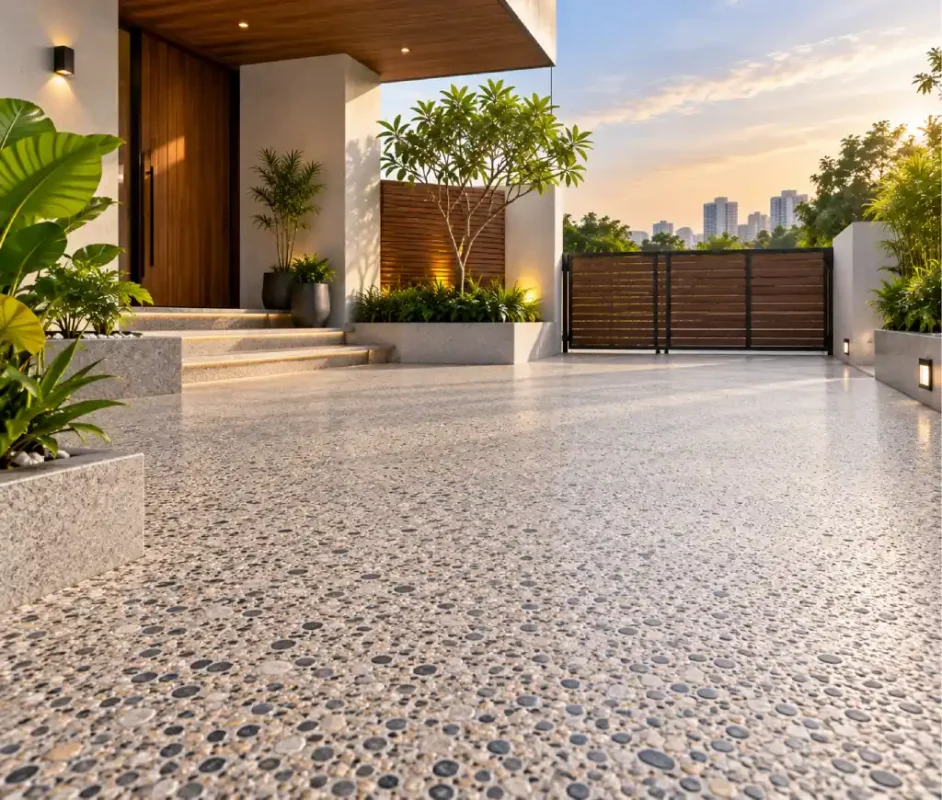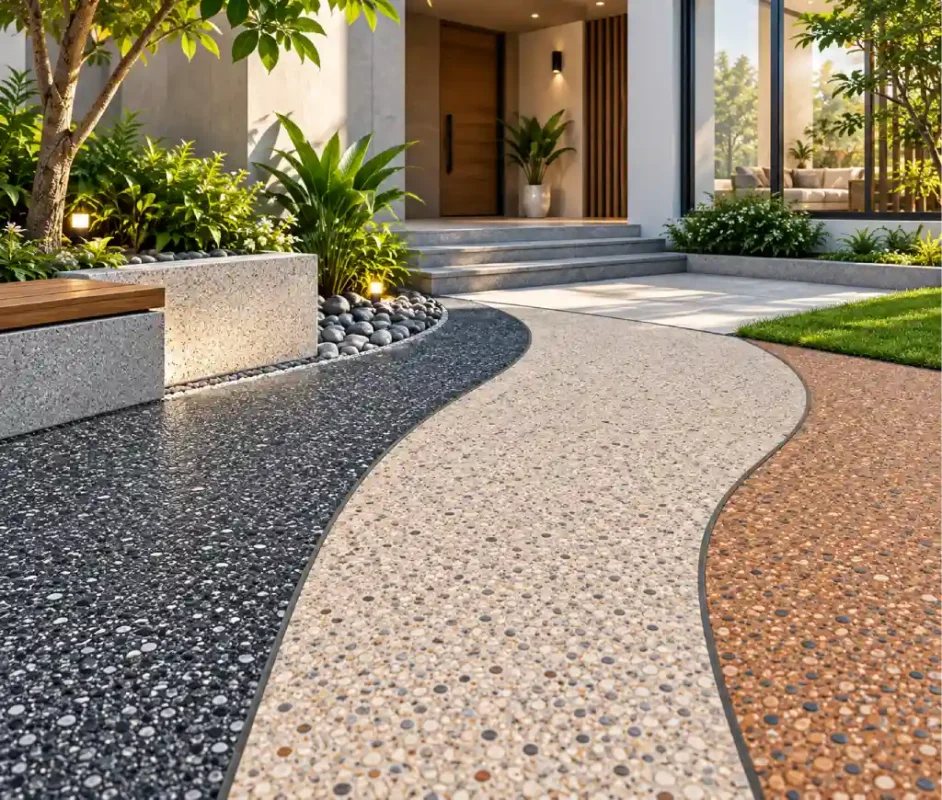

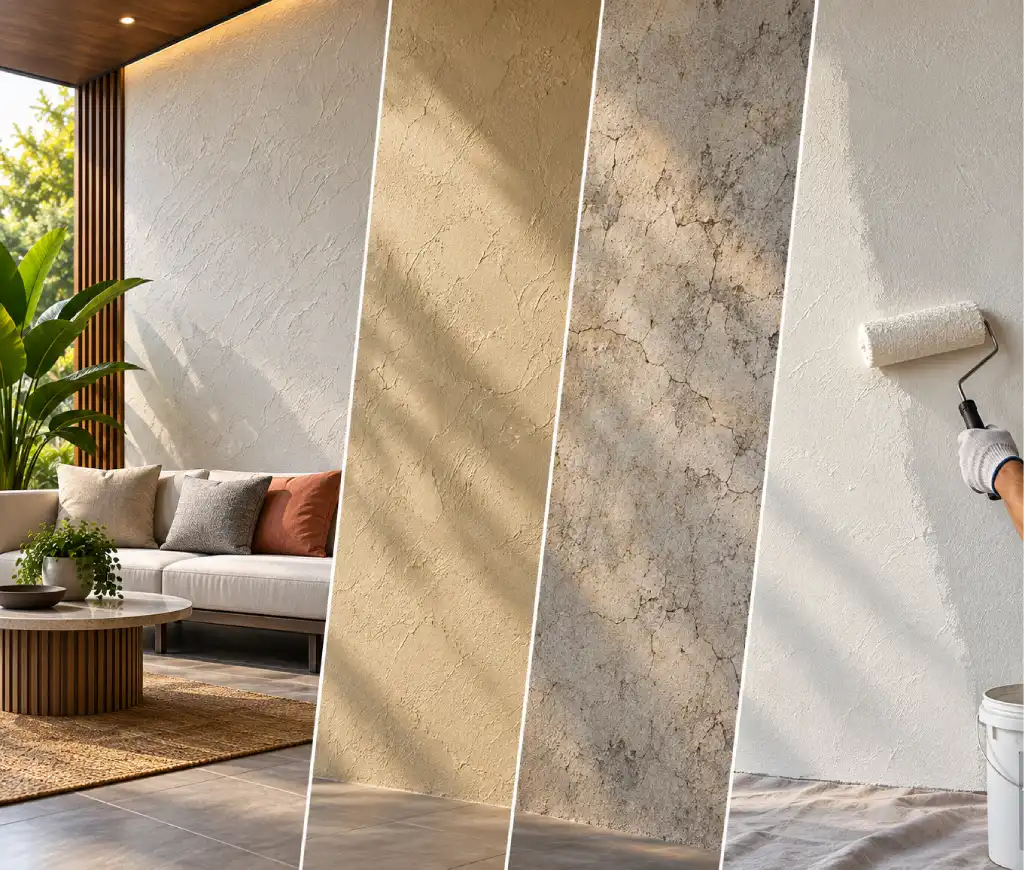
Wall texture is often chosen for its ability to give a property more character, depth and architectural appeal than conventional paint. But once the initial finish is complete, an important question remains: how long does wall texture last?
The answer depends on several factors, including the type of texture, quality of materials, surface preparation, application technique, exposure to sunlight and rain, substrate movement and ongoing maintenance.
A professionally applied texture coating can remain attractive and functional for years, but no wall finish should be considered completely maintenance-free. Exterior surfaces in particular are continuously exposed to UV radiation, rainfall, dust, pollution and temperature changes.
InstaKrete offers a range of decorative wall textures and exterior finishes designed around durability, aesthetics and long-term performance. Its published material also highlights features such as high bonding, water and stain protection, easy maintenance, repair and recoating.
How Long Does Wall Texture Last?
A good-quality wall texture can commonly remain in good condition for several years, with the exact texture coating lifespan varying according to the product and environment.
For example, InstaKrete’s published comparison of wall texture and paint states that a well-applied texture finish can last approximately 5 to 10 years with minimal maintenance, although actual performance can vary significantly from project to project.
Exterior textures exposed to intense sunlight, monsoon rain, pollution and temperature fluctuations may require attention sooner than protected interior surfaces.
Rather than looking at a fixed number of years, homeowners should consider the condition of the coating. A properly installed finish may continue to perform well beyond its expected maintenance interval if the substrate remains stable and the surface is maintained correctly.
What Determines Wall Texture Durability?
Several factors influence wall texture durability.
Quality of the Surface Preparation
The coating can only perform as well as the surface beneath it. Dust, grease, loose paint, cracks, moisture and uneven areas can interfere with adhesion.
Before applying a texture coating, the surface should be cleaned, repaired, levelled and primed as required. InstaKrete specifically identifies surface preparation as a critical factor in preventing problems such as cracking, peeling and uneven textures.
Type of Texture
Not every texture system has the same composition or performance characteristics. Interior decorative finishes may have different requirements from exterior facade coatings.
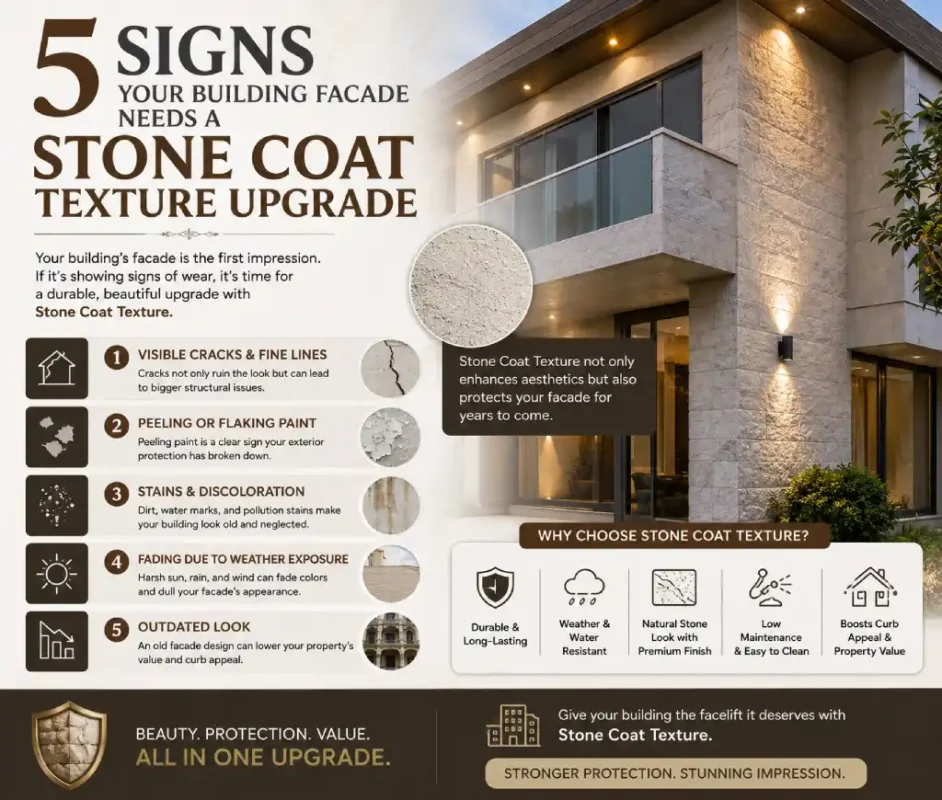
InstaKrete’s range includes exterior finishes such as Stone Coat, Brick Finish and Grit Wash, alongside interior decorative surfaces.
The selected product should therefore match the location and environmental exposure.
Weather Exposure
Exterior walls experience continuous environmental stress. Strong sunlight can contribute to UV degradation, while rainfall and humidity can affect poorly prepared or inadequately protected surfaces.
InstaKrete’s Stone Coat finish, for example, is positioned as an exterior coating designed to withstand sunlight, rain and temperature variations.
Substrate Movement
Minor movement in the underlying wall can eventually affect a decorative coating. Existing cracks, structural movement or unstable substrates should be investigated before applying a new texture.
This is why repairing the base surface is not simply a cosmetic step. It is part of ensuring long-term coating performance.
What Causes Exterior Wall Texture to Deteriorate?
Understanding early signs of deterioration can help property owners address problems before they become extensive.
UV Degradation and Fading
Continuous sunlight can gradually affect colour and surface appearance. Exterior coatings designed for outdoor exposure should therefore be selected with the project’s level of UV exposure in mind.
Chalking
Chalking occurs when a coating’s surface gradually breaks down and leaves a powdery residue. Some degree of weathering may occur over time, particularly on highly exposed surfaces.
If significant chalking develops, the wall should be professionally assessed before simply applying another coat over it.
Hairline Cracking
Small cracks can occur due to substrate movement, thermal changes, moisture-related issues or deficiencies in the underlying surface.
Not every hairline crack indicates coating failure, but recurring or expanding cracks should be investigated. Painting or recoating without addressing the underlying cause may only provide a temporary cosmetic solution.
Moisture Problems
Water infiltration can cause staining, peeling, bubbling and deterioration. Moisture should be addressed at its source before a new texture is applied.
InstaKrete’s surface-preparation guidance specifically notes that moisture checks and waterproofing may be necessary before texture application.
When Should You Recoat Exterior Texture?
There is no universal sealer refresh cycle or recoating date that applies to every wall.
Instead, inspect the finish periodically and look for visible changes such as:
- Noticeable fading or colour variation
- Persistent chalking
- Peeling or flaking
- Increasing hairline cracks
- Staining that does not respond to normal cleaning
- Loss of protective surface performance
- Areas where previous repairs are becoming visible
A wall that still looks uniform, remains firmly bonded and has no significant deterioration may not require immediate recoating simply because a certain number of years have passed.
For commercial buildings, villas and large residential projects, an annual inspection can be a practical way to identify small maintenance issues before they require extensive repairs.
Can Wall Texture Be Recoated?
Yes. One of the advantages of many decorative coating systems is that they can be repaired and recoated when required.
However, recoating should not mean simply applying a new layer over an existing damaged surface.
The wall should first be inspected. Loose material, cracks, moisture problems, chalking or adhesion issues should be addressed before the new finish is applied.
InstaKrete’s concrete texture information specifically lists recoating and repairing as features of its surface solutions.
The exact recoating method depends on the existing texture, its condition and the new coating system being proposed.
Touch-Up and Patch Repair vs Complete Recoating
Not every damaged wall requires a complete makeover.
If deterioration is limited to a small area, touch-up and patch repair may be sufficient. This can be particularly useful when damage results from minor impact, plumbing work, fixture installation or isolated cracking.
However, matching an existing texture can be more complicated than matching ordinary paint. The repaired area may differ slightly in texture, colour or surface profile.
For larger areas with widespread fading or deterioration, a complete recoating may provide a more uniform result.
How Should Textured Walls Be Cleaned?
Regular cleaning can help maintain the appearance of textured walls, particularly on exterior facades exposed to dust and pollution.
The cleaning method should depend on the coating. Avoid aggressive scrubbing, harsh chemicals or excessive pressure unless the coating manufacturer specifically confirms that they are suitable.
For routine cleaning, a mild pH-neutral cleaner and appropriate soft cleaning equipment may be preferable for compatible surfaces.
Before cleaning the entire facade, test the proposed method on a small inconspicuous area. This is especially important for decorative finishes with delicate textures or special protective coatings.
Does Wall Texture Come With a Warranty?
Warranty terms vary according to the manufacturer, product, application system and project conditions.
A warranty should not automatically be interpreted as a guaranteed lifespan. It may cover specific manufacturing or application-related issues while excluding problems caused by structural movement, moisture ingress, impact, improper cleaning, unauthorised modifications or unsuitable substrate conditions.
Before starting a project, homeowners and property managers should ask for the applicable warranty terms in writing.
Important questions include:
- What period does the warranty cover?
- What exactly is covered?
- Is the warranty for material, workmanship or both?
- Are substrate or structural cracks excluded?
- Are moisture-related problems covered?
- What maintenance is required to maintain warranty validity?
- Is recoating considered normal maintenance?
Clear answers to these questions can prevent misunderstandings later.
Interior vs Exterior Wall Texture Lifespan
Interior and exterior textures face very different conditions.
Interior walls are generally protected from direct rain and intense UV exposure. Their main challenges may include dust, accidental impact, stains, humidity and everyday contact.
Exterior walls experience much greater environmental exposure. Sunlight, monsoon rainfall, pollution, temperature fluctuations and moisture can gradually affect the coating.
This means an interior decorative texture may require a different maintenance approach from an exterior facade texture.
The right product should always be selected according to where it will be applied.
How to Extend the Life of Wall Texture
Good installation and simple maintenance can make a significant difference to the service life of a textured finish.
Start with proper substrate preparation. Cracks, dampness, loose coatings and surface contamination should be dealt with before application.
Choose a texture system appropriate for the location. Exterior walls need a finish designed for outdoor exposure rather than simply using an interior decorative product.
Clean the surface using a suitable method instead of aggressive chemicals or abrasive tools. Periodically inspect the wall for early signs of cracking, staining, chalking or peeling.
Most importantly, address small problems early. A minor patch repair can be considerably simpler than allowing moisture or substrate problems to affect a much larger section of the wall.
Does a More Expensive Texture Last Longer?
Not necessarily.
Price alone does not determine wall texture durability. A premium material applied over an unstable or poorly prepared substrate can perform poorly, while a correctly specified system installed on a sound surface can provide much better long-term performance.
The overall system matters: substrate + preparation + primer + texture + protective coating + application quality + maintenance.
This is why homeowners should compare complete specifications rather than selecting a texture based only on its initial price.
Final Thoughts
So, how long does wall texture last? There is no single lifespan that applies to every texture coating. A professionally installed and properly maintained finish can remain attractive for years, with published InstaKrete guidance indicating approximately 5–10 years for a well-applied texture finish under suitable conditions.
The actual service life depends on exposure, substrate stability, moisture management, material selection, installation quality and maintenance.
Instead of waiting until a wall looks severely damaged, schedule periodic inspections and address early signs such as fading, chalking, hairline cracking and localised peeling. When the underlying surface is sound, touch-up, patch repair or recoating can help extend the useful life of the finish.
For exterior applications especially, choosing a suitable weather-resistant texture and ensuring professional surface preparation are key steps toward achieving a durable architectural finish.
InstaKrete offers decorative wall textures and exterior coating solutions designed to combine visual character with durability and practical maintenance requirements.