
Balconies and terraces are increasingly being treated as extensions of the living space rather than unused outdoor areas. Whether it is a compact apartment balcony, a landscaped terrace, or a large rooftop sitting area, the flooring you choose has a major impact on both appearance and everyday usability.
Tiles, concrete, stone and pavers are common choices, but homeowners and designers are increasingly exploring textured and natural-looking alternatives. Pebblecrete flooring for balcony spaces is one such option that combines the appearance of natural stone with the strength of a concrete-based surface.
With its distinctive pebble texture, slip-resistant character and outdoor durability, Pebblecrete can be a practical choice for balconies, terraces, patios and landscaped areas.
What Is Pebblecrete Flooring?
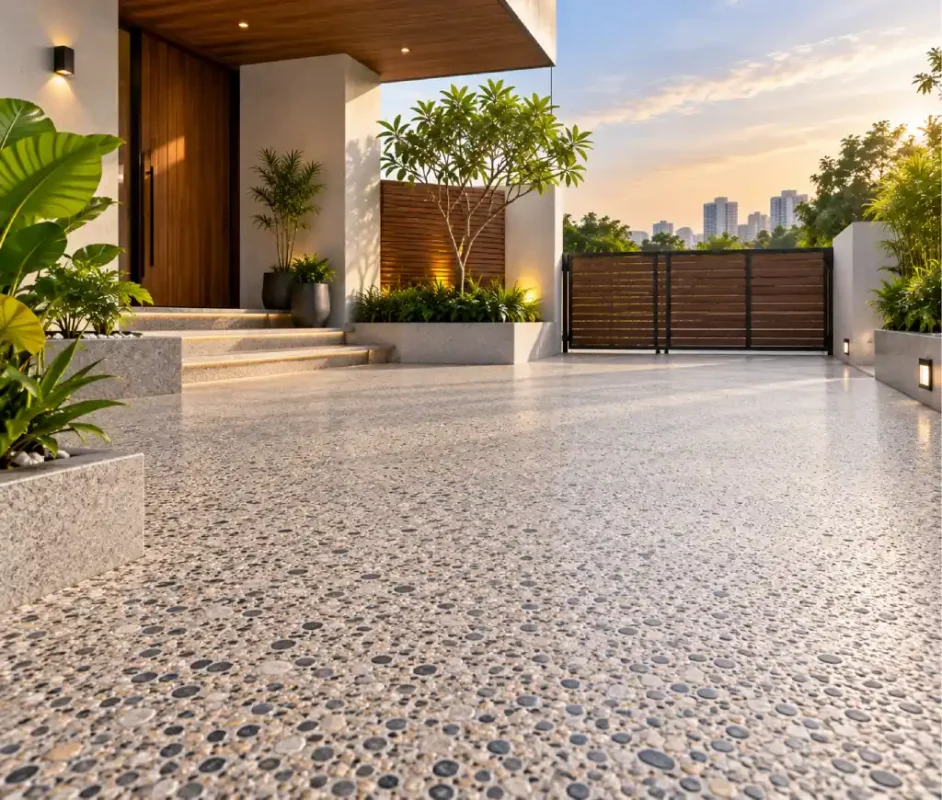
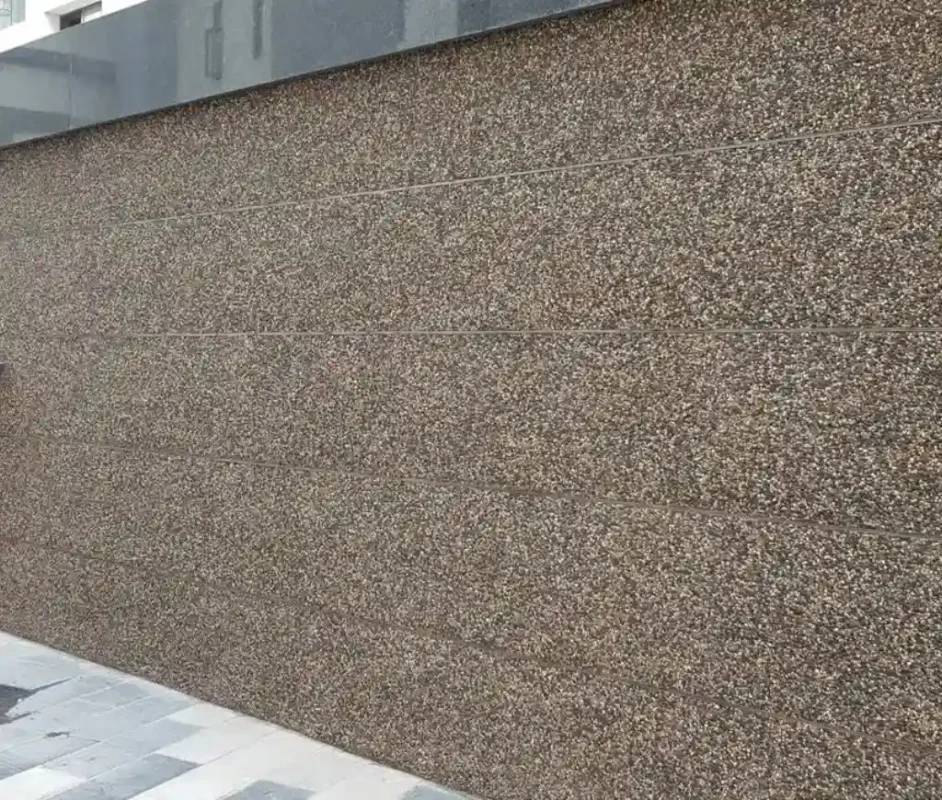
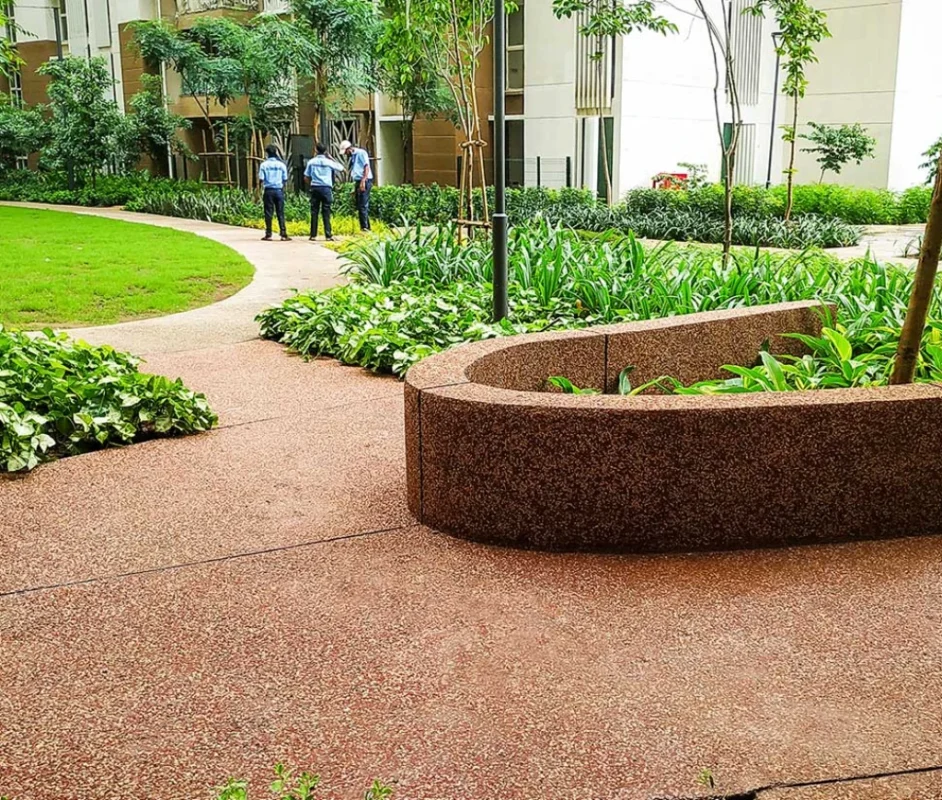
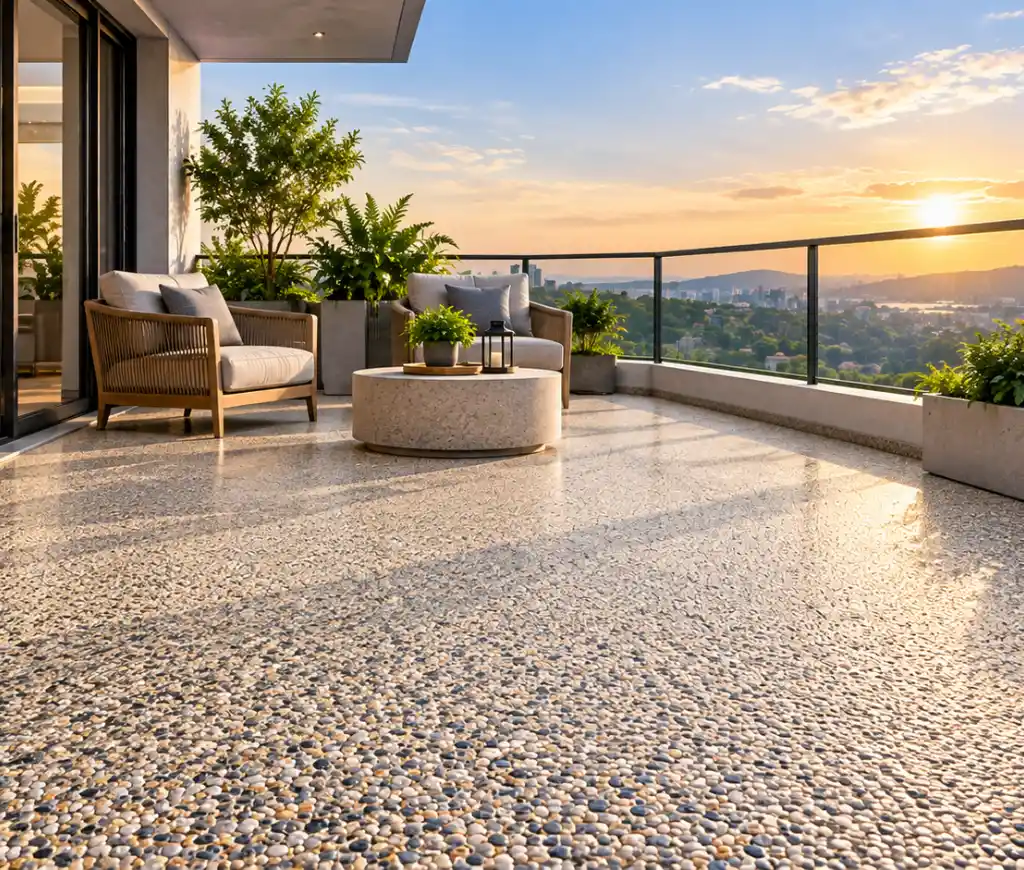
Pebblecrete is a decorative flooring finish created by incorporating natural pebbles into a cementitious or concrete-based surface. Once installed and finished, the natural aggregates become visible, producing a textured surface with an organic appearance.
Unlike conventional plain concrete, Pebblecrete introduces variation through the colour, size and shape of the natural pebbles. This gives each installation a distinctive appearance while maintaining the strength required for outdoor applications.
Instakrete describes its Pebblecrete flooring as a combination of natural pebbles and concrete designed to provide durability, visual appeal and a slip-resistant surface. The company offers it for applications including outdoor flooring, gardens, pathways, driveways, pool decks, landscaping and other architectural surfaces.
Why Consider Pebblecrete for a Balcony?
Balconies have specific flooring requirements. They are exposed to sunlight, rain, dust and temperature changes, while also being relatively limited in size. Flooring therefore needs to be visually attractive without becoming difficult to maintain.
Pebblecrete flooring for balcony areas can create a natural outdoor character without relying on repetitive tile patterns.
The textured surface can also provide additional visual depth to a small balcony. Instead of making the floor the dominant feature, the natural pebble finish can complement plants, wooden furniture, outdoor seating and decorative elements.
For homeowners trying to create a balcony garden, reading corner, coffee area or compact outdoor lounge, the finish can help establish a more organic design theme.
1. A Natural Look for Compact Outdoor Spaces
One of the biggest advantages of Pebblecrete is its natural appearance.
A small balcony can sometimes feel visually restricted when too many patterns, colours or materials are introduced. Natural pebble flooring provides texture without necessarily making the space look overly decorative.
Different pebble colours and sizes can be selected to complement the surrounding architecture. Instakrete highlights the availability of natural pebbles in different colours, shapes and sizes, allowing the finish to be customized according to the desired aesthetic.
This makes Pebblecrete suitable for both contemporary apartments and more traditional residential properties.
2. A Practical Option for Terrace Flooring
Terraces experience considerably more exposure to outdoor conditions than interior floors. They may receive direct sunlight for several hours, heavy rainfall during the monsoon, dust and regular foot traffic.
When comparing terrace flooring options India, homeowners should therefore consider more than appearance. Durability, slip resistance, maintenance, weather exposure and compatibility with the existing surface are all important.
Pebblecrete is designed for outdoor applications and is described by Instakrete as weather-resistant and durable. Its textured finish can also provide useful grip in outdoor environments.
For larger terraces, Pebblecrete can be combined with landscaping, planters, seating zones, pathways and other outdoor design elements.
3. Slip Resistance Can Be Useful Outdoors
Rain and water can make smooth outdoor flooring surfaces slippery. This is particularly relevant for balconies and terraces that are exposed to rainfall or used around plants and outdoor water features.
Pebblecrete’s exposed, textured surface can provide a more naturally tactile finish than a completely smooth floor. Instakrete specifically highlights slip resistance as one of the benefits of its Pebblecrete flooring.
However, the actual performance of any flooring system depends on the specification, installation quality, surface preparation and finishing method. A professional assessment is therefore important before selecting the final finish.
4. It Works Well with Balcony Landscaping
If your balcony includes plants, planters or vertical gardens, a natural pebble floor can complement the overall landscape theme.
Instead of using highly polished surfaces, homeowners can create a more earthy environment by combining Pebblecrete with:
- Green plants and planters
- Wooden or wood-look furniture
- Natural stone elements
- Outdoor rugs
- Warm lighting
- Vertical gardens
- Small water features
- Natural-colour walls
This makes Pebblecrete particularly interesting for small space landscape flooring, where every design element needs to contribute to the overall atmosphere.
5. Create Different Zones on a Larger Terrace
Large terraces do not have to use one flooring treatment throughout the entire area.
Pebblecrete can be incorporated into a broader landscape design to visually define different zones. For example, a terrace can include a Pebblecrete walking area, a seating zone, planters and a separate entertainment space.
The flooring itself can become part of the overall landscape design rather than simply serving as a background surface.
This approach is particularly useful for villas, cafés, resorts, rooftop spaces and commercial properties where the terrace is intended to function as an outdoor experience.
Is Pebblecrete Waterproof?
This is an important question when considering a waterproof balcony finish.
Pebblecrete itself should not automatically be treated as a substitute for a complete waterproofing system. Balcony and terrace waterproofing is a construction-level requirement involving the underlying slab, drainage, slope, joints, waterproofing membrane and other details.
The decorative flooring finish is only one part of the overall system.
Therefore, if you are renovating an existing balcony or terrace, the condition of the substrate and existing waterproofing should be assessed before installing the flooring. Any waterproofing problems should be addressed before the decorative finish is applied.
This distinction is important because a beautiful flooring finish cannot compensate for underlying structural or waterproofing issues.
6. Suitable for Pune’s Outdoor Conditions
Outdoor surfaces in Pune have to deal with strong sunlight, seasonal rainfall, dust and changing weather conditions.
Instakrete specifically presents Pebblecrete as a durable and weather-resistant flooring option suitable for outdoor conditions, including applications such as terraces, gardens, pathways and pool areas.
However, long-term performance depends heavily on correct installation. Surface preparation, material selection, curing and sealing all contribute to the final performance of the flooring.
7. Low-Maintenance Outdoor Flooring
Outdoor floors naturally collect dust, leaves and other debris. For balconies and terraces, homeowners generally prefer surfaces that can be cleaned without complicated maintenance routines.
Instakrete describes Pebblecrete as a low-maintenance flooring solution and notes that routine cleaning can generally be handled with simple washing or rinsing.
Regular cleaning is still recommended, particularly in landscaped areas where leaves, soil and organic matter may accumulate.
Periodic inspection is also useful to identify any surface damage or areas requiring maintenance before small problems become larger ones.
8. Pebblecrete Can Be Customized
A major design advantage of natural aggregate flooring is that the appearance does not have to be completely uniform.
The selection of pebble size, colour and overall texture can influence the final appearance. This allows designers and homeowners to coordinate the flooring with walls, landscaping, furniture and architectural features.
For example, lighter pebble tones can help create a bright and contemporary outdoor space, while earthy tones can work well with natural landscaping.
This flexibility makes Pebblecrete suitable for different design styles rather than limiting it to one particular architectural aesthetic.
How Is Pebblecrete Flooring Installed?
Professional installation is important for achieving a consistent and durable result.
The process generally involves several stages:
Step 1: Surface Preparation
The existing surface needs to be cleaned, assessed and properly prepared. Uneven areas and surface defects should be addressed before the flooring system is installed.
Step 2: Base Preparation
A suitable concrete or cementitious base is prepared according to the project requirements. The underlying surface needs to provide adequate strength and stability.
Step 3: Pebble Placement
Selected natural pebbles are incorporated into the wet surface. Their distribution and placement influence the final appearance of the floor.
Step 4: Finishing and Curing
The surface is carefully finished to achieve the desired exposed-pebble appearance and then allowed to cure appropriately.
Step 5: Sealing
Depending on the system and project requirements, a protective sealer may be applied to enhance the appearance and provide additional surface protection.
Instakrete’s published installation process similarly outlines surface preparation, concrete application, pebble placement, finishing and curing, followed by sealing.
Pebblecrete vs Conventional Balcony Tiles
Tiles remain a popular balcony flooring material, but Pebblecrete offers a different visual and functional experience.
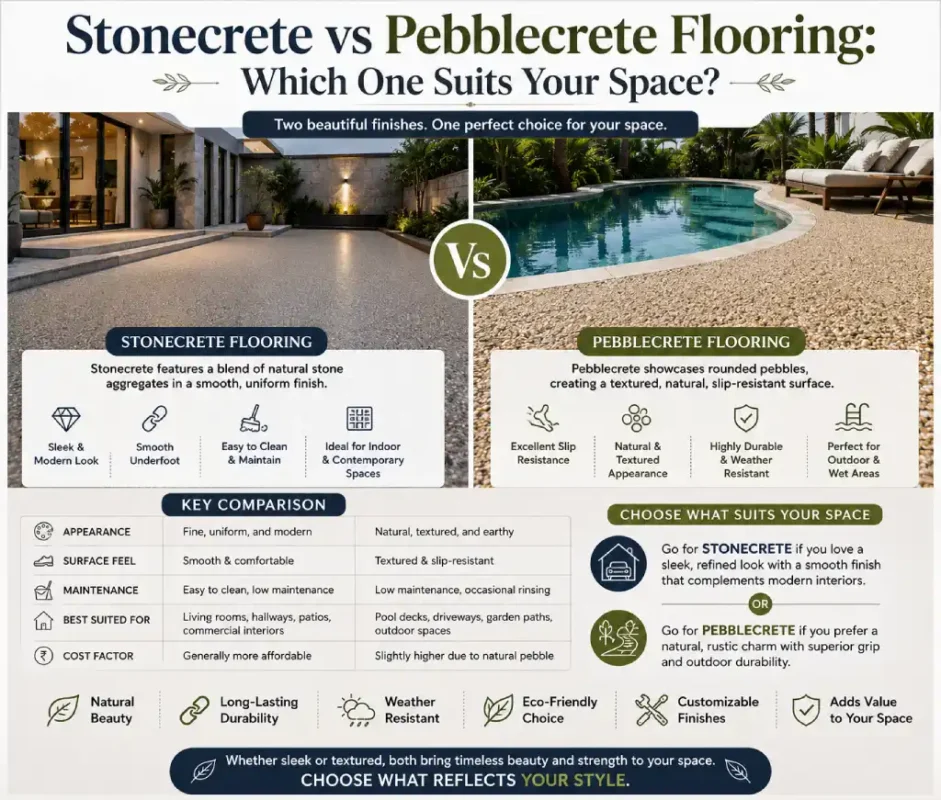
Tiles generally provide a more uniform, manufactured appearance, whereas Pebblecrete creates a natural aggregate surface with variations in stone colour and texture.
Pebblecrete can also provide continuity across certain landscape applications, allowing the same material language to extend from a balcony or terrace into pathways, garden areas or other outdoor features.
The right choice ultimately depends on the property’s design, budget, existing surface, drainage, maintenance expectations and desired appearance.
Where Can Pebblecrete Be Used Around a Home?
Although pebblecrete flooring for balcony is the focus, the material can be used across several outdoor areas.
Depending on the project, applications can include:
Balconies: Create a natural and textured outdoor floor for compact residential spaces.
Terraces: Develop durable surfaces for seating, landscaping and recreational areas.
Garden Paths: Create visually distinct pathways that complement plants and landscaping.
Patios: Add texture and natural character to outdoor sitting areas.
Pool Decks: Use a textured finish around pool areas where slip resistance is important.
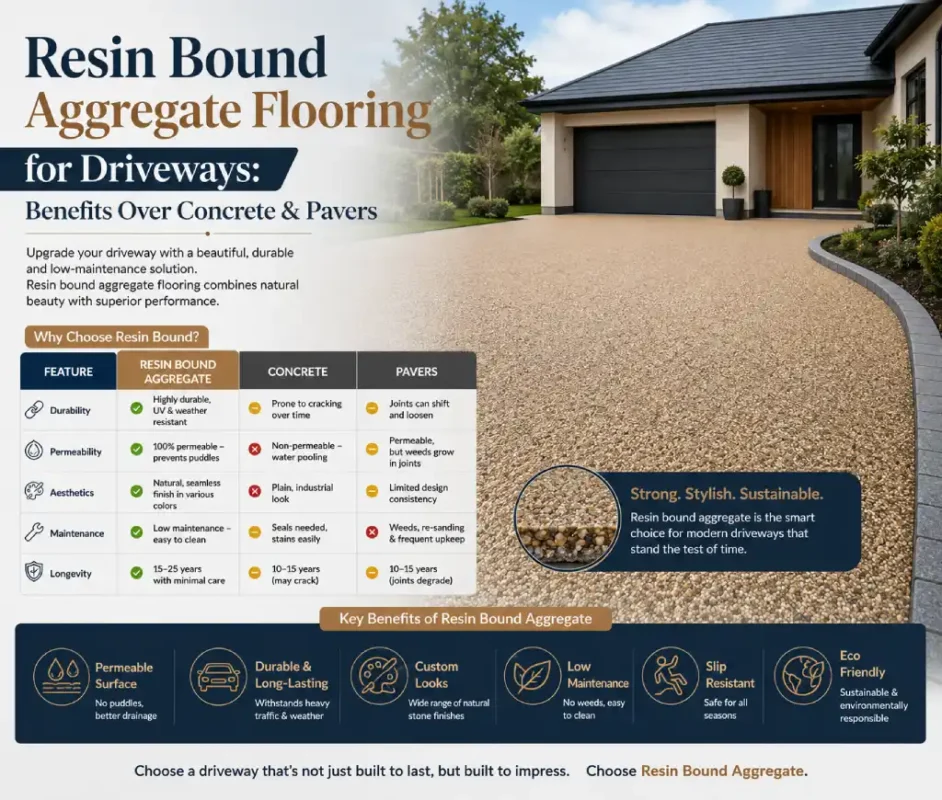
Driveways: Pebblecrete can also be used for durable outdoor surfaces exposed to heavier traffic.
Instakrete lists all of these among its Pebblecrete applications.
What Should You Check Before Installing Pebblecrete?
Before choosing Pebblecrete for a balcony or terrace, consider the following:
Check the existing surface: Cracks, uneven areas or damaged concrete should be assessed before installation.
Verify drainage: Outdoor floors need appropriate slope and drainage to prevent standing water.
Review waterproofing: Especially on elevated balconies and terraces, the waterproofing system should be checked before installing a new finish.
Choose the pebble appearance carefully: Consider how the colour and texture will work with walls, furniture and landscaping.
Plan the overall layout: Decide where seating, plants, pathways and other features will be positioned.
Use professional installation: Proper preparation and finishing can have a major impact on the final result and long-term performance.
Is Pebblecrete Right for Your Balcony or Terrace?
Pebblecrete is worth considering when you want an outdoor floor that combines a natural appearance with durability, texture and relatively low maintenance.
It can be particularly effective when the goal is to create a balcony or terrace that feels connected to nature rather than looking like a conventional tiled surface.
For compact balconies, the finish can add character without requiring multiple decorative materials. For larger terraces, it can become part of a complete landscape design incorporating plants, seating, pathways and outdoor living areas.
Instakrete offers Pebblecrete flooring solutions designed for residential and commercial landscape applications, with customizable natural pebble finishes and professional installation processes.
Transform Your Outdoor Space with Instakrete
A balcony or terrace does not need to be large to make an impression. The right flooring, combined with thoughtful landscaping and furniture, can transform even a compact outdoor area into a comfortable and visually appealing extension of the home.
Pebblecrete flooring for balcony spaces offers a combination of natural aesthetics, textured character, outdoor durability and design flexibility. For terraces, gardens, pathways and other outdoor areas, it can provide a cohesive surface that complements both contemporary and traditional architecture.
If you are planning a balcony, terrace or landscape renovation, Instakrete can help you explore Pebblecrete finishes based on your space, design requirements and intended application.
Looking to upgrade your balcony or terrace? Explore Instakrete’s Pebblecrete flooring solutions and create an outdoor surface that brings natural texture and lasting character to your space.