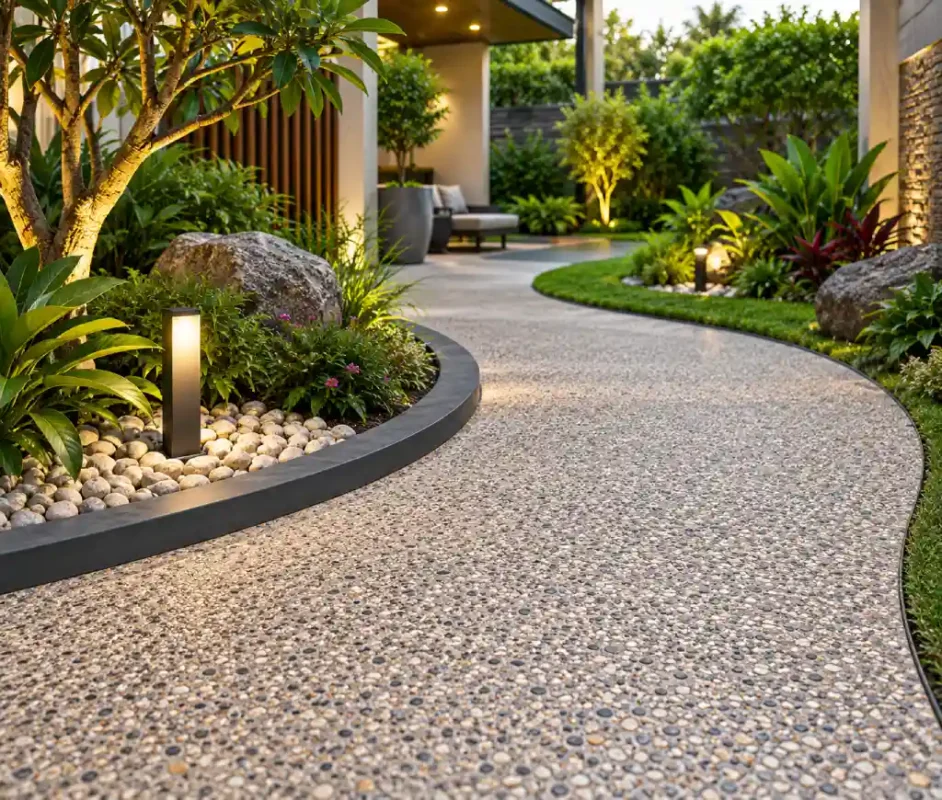

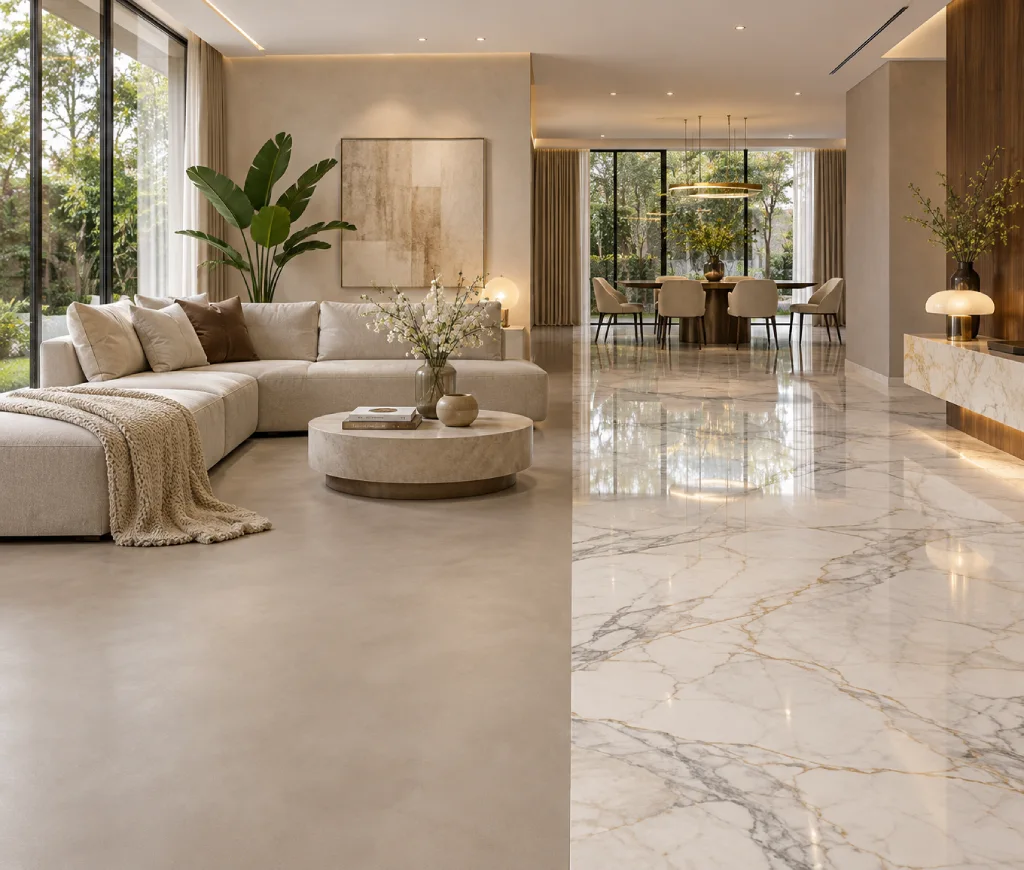
Choosing the right flooring is essential for creating a beautiful, comfortable and long-lasting home. Among today’s luxury flooring options, microcement and Italian marble are popular choices for their elegant appearance and premium finish. However, they differ in installation, maintenance, durability and overall design.
If you are exploring an Italian marble alternative or planning a modern renovation, understanding the differences between these materials can help you make a confident decision.
What Is Microcement Flooring?
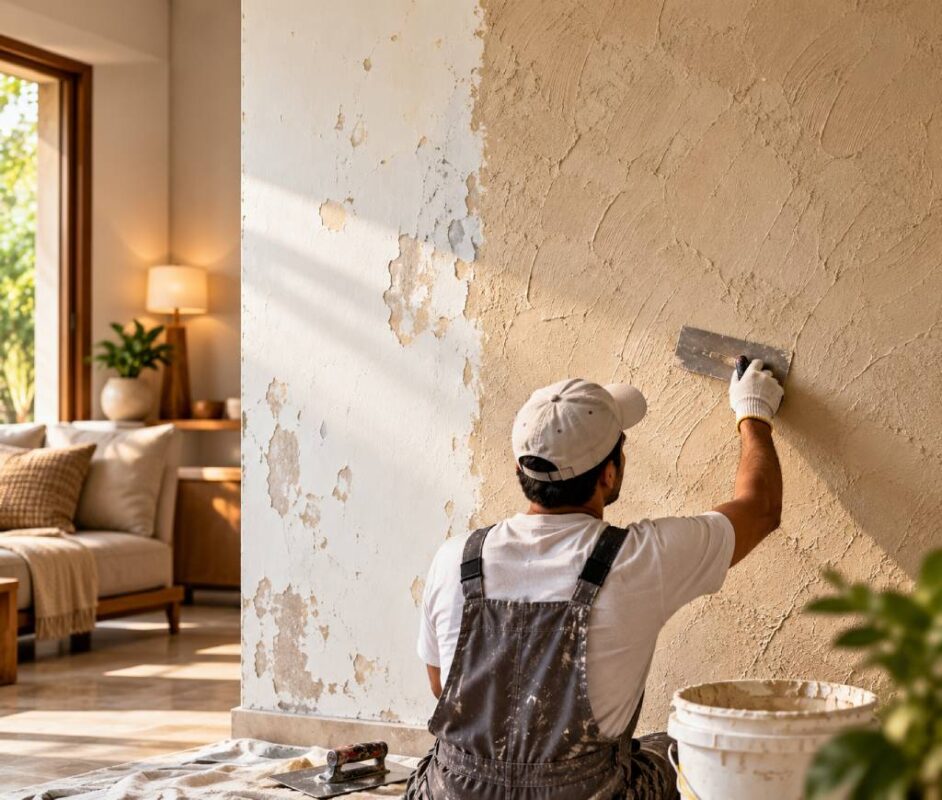
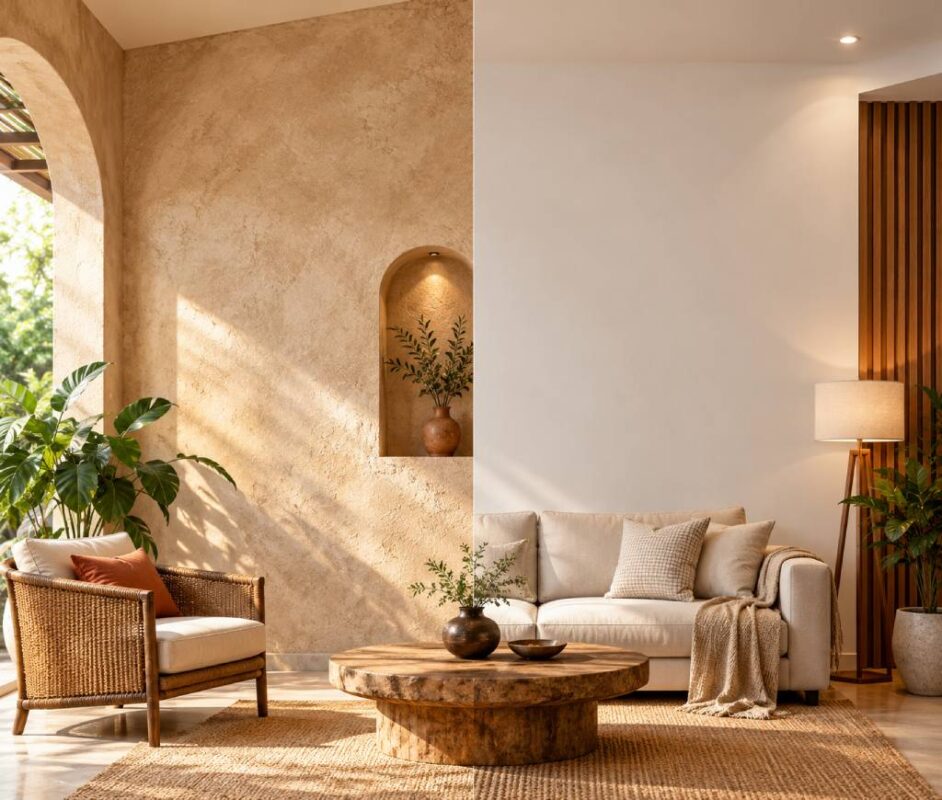
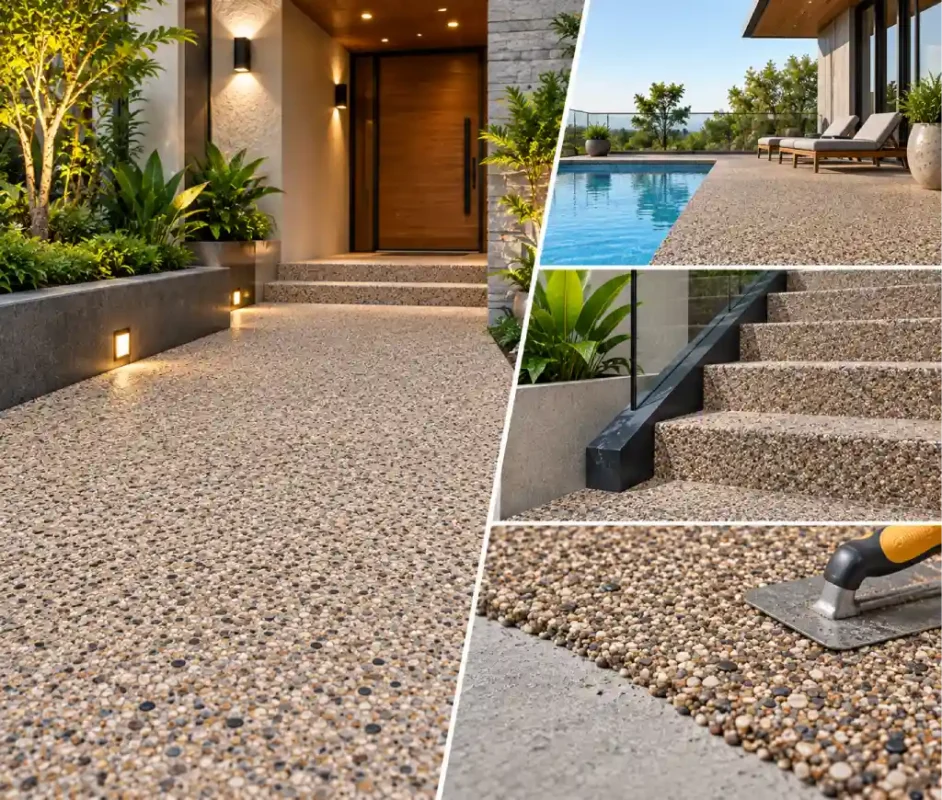
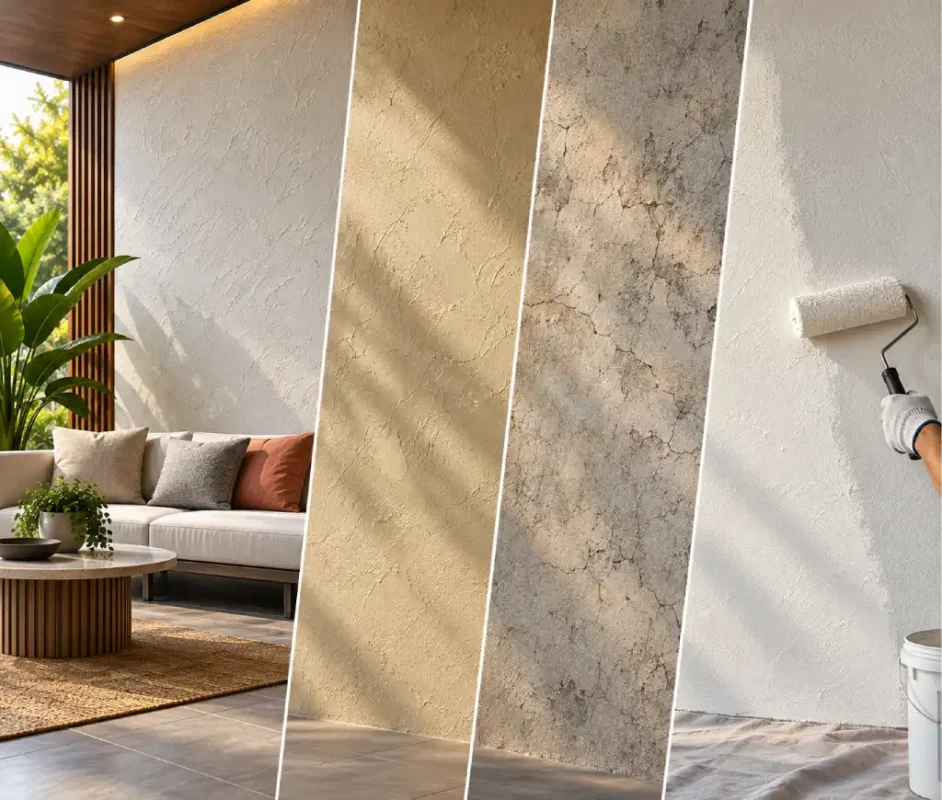
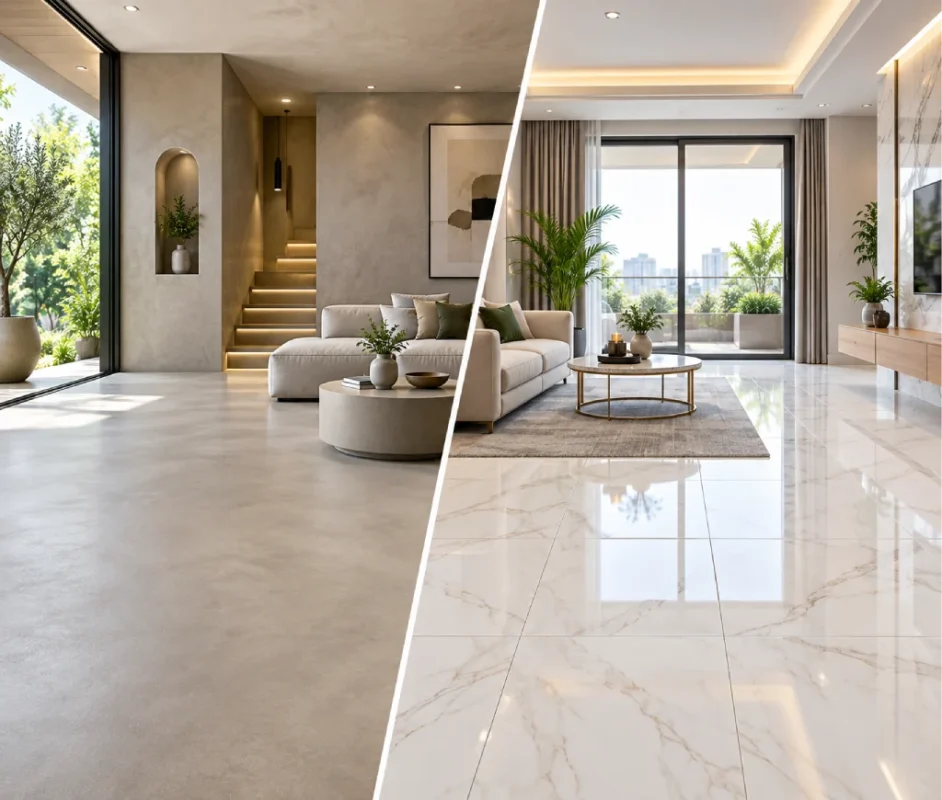
Microcement is a thin, cement-based decorative coating applied over prepared surfaces such as concrete, tiles and screed. It creates a smooth, contemporary finish with minimal visible joints, making it ideal for modern and minimalist interiors.
Available in different colours and textures, microcement offers excellent design flexibility. Its seamless flooring appearance helps create a continuous visual flow between rooms, while its relatively thin application makes it suitable for many renovation projects.
What Is Italian Marble Flooring?
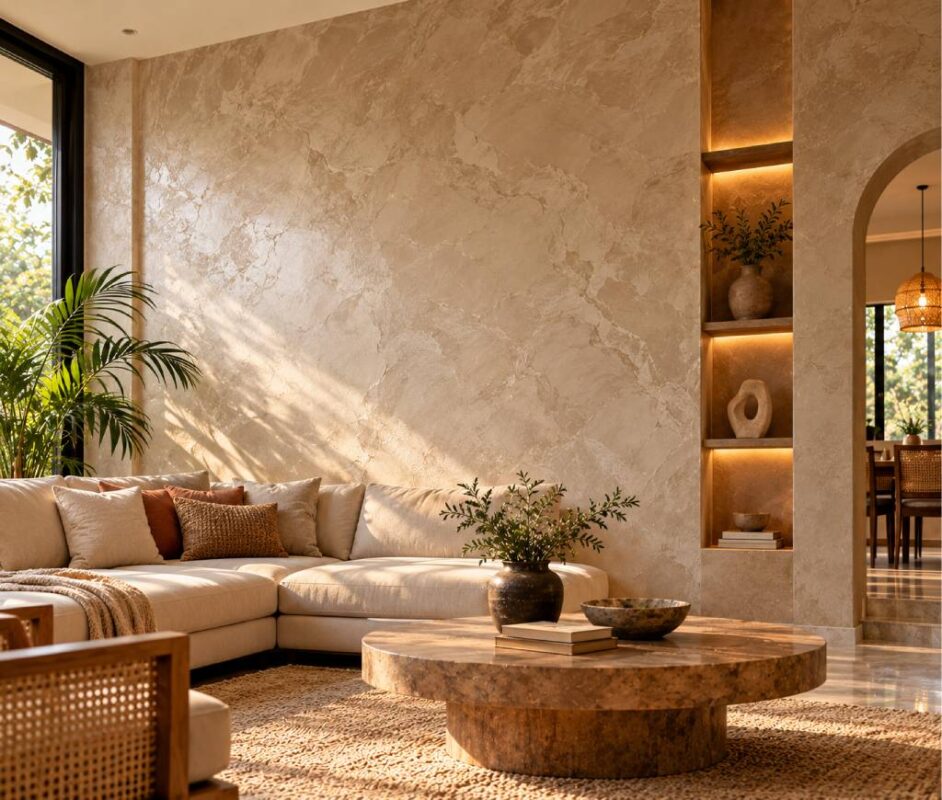
Italian marble is a natural stone valued for its distinctive veining, polished surface and timeless elegance. Each slab has unique patterns, giving floors a luxurious and sophisticated appearance.
Marble is available in different varieties, colours and finishes. It is commonly used in living rooms, entrance areas and other spaces where natural stone can create a striking visual impression.
Microcement vs Marble: Key Differences
| Feature | Microcement | Italian Marble |
| Appearance | Minimal, contemporary | Natural, luxurious |
| Joints | Minimal visible joints | Visible grout or slab joints |
| Installation | Applied as a thin coating | Requires stone laying |
| Maintenance | Periodic resealing | Regular care and polishing |
| Design | Wide colour and texture options | Unique natural patterns |
Cost, Durability and Maintenance
The cost of microcement vs marble depends on the material quality, surface preparation, installation complexity and finish selected. Microcement may be a practical option for renovations because it can often be applied over existing flooring, reducing demolition work. However, proper substrate preparation and professional application are essential.
Italian marble generally involves additional costs for slab selection, transportation, laying and finishing. Marble polishing cost should also be considered over the floor’s lifetime, particularly in high-traffic areas.
Both materials can last for years with proper installation and maintenance. Microcement durability depends on the quality of the coating, protective sealer and substrate. Marble is durable but can develop scratches, stains or etching from acidic substances. Microcement can also scratch or crack if the surface is poorly prepared or the coating is damaged.
Which Flooring Is Better for Each Room?
Microcement is a strong choice for living rooms, bedrooms and open-plan interiors where a seamless, modern appearance is preferred. It can also be used in bathrooms and kitchens when the correct waterproofing, surface preparation and protective finish are provided.
Italian marble is ideal for homeowners who prefer natural stone patterns and a classic, luxurious look. Its polished finish works beautifully in living rooms, entrance foyers and spacious interiors. For kitchens and bathrooms, suitable finishes and regular maintenance are important.
Microcement or Italian Marble: Which Should You Choose?
The best choice depends on your home’s design, budget and maintenance preferences. If you want jointless flooring, contemporary aesthetics and greater flexibility in colour and texture, microcement is worth considering. If you prefer natural veining, the traditional appeal of stone and a polished luxury finish, Italian marble may be the better option.
At InstaKrete, explore decorative surface finishes that bring together modern design and practical performance. Whether you are renovating an existing home or designing a new space, choosing the right flooring can transform the entire interior.
Discover the possibilities of microcement and create a sophisticated, seamless look for your home.