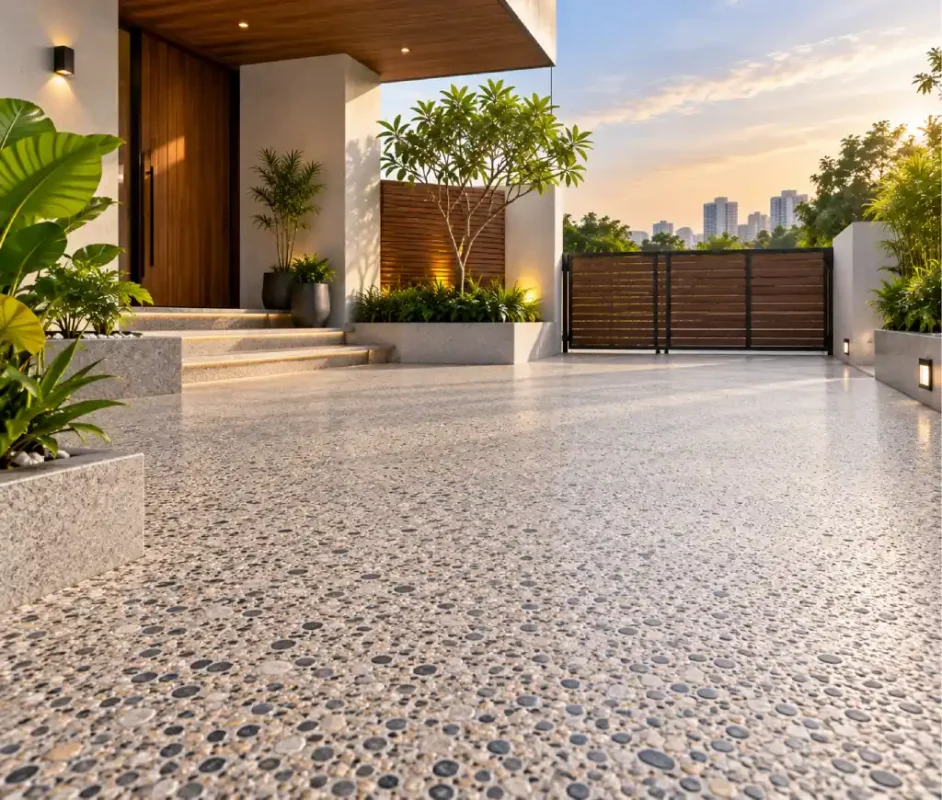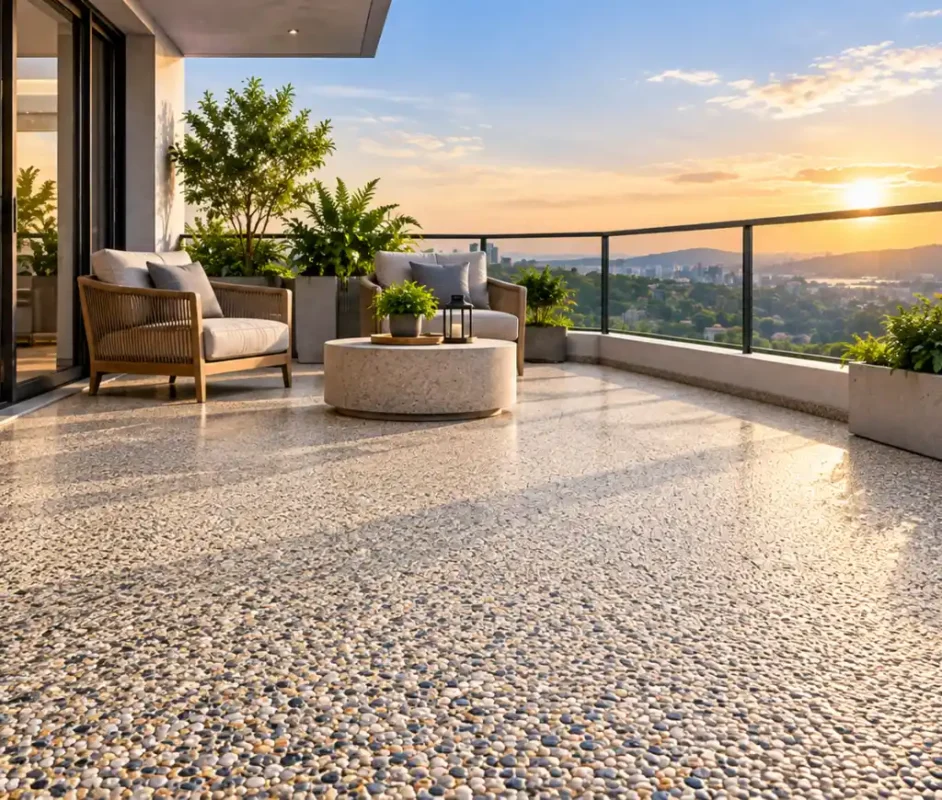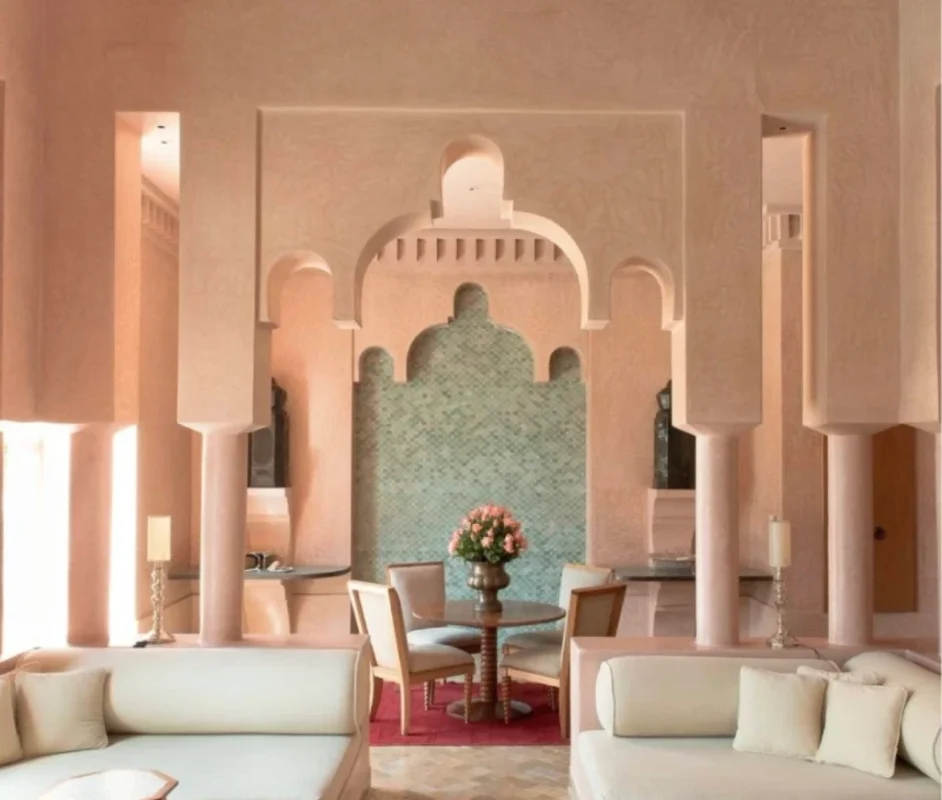

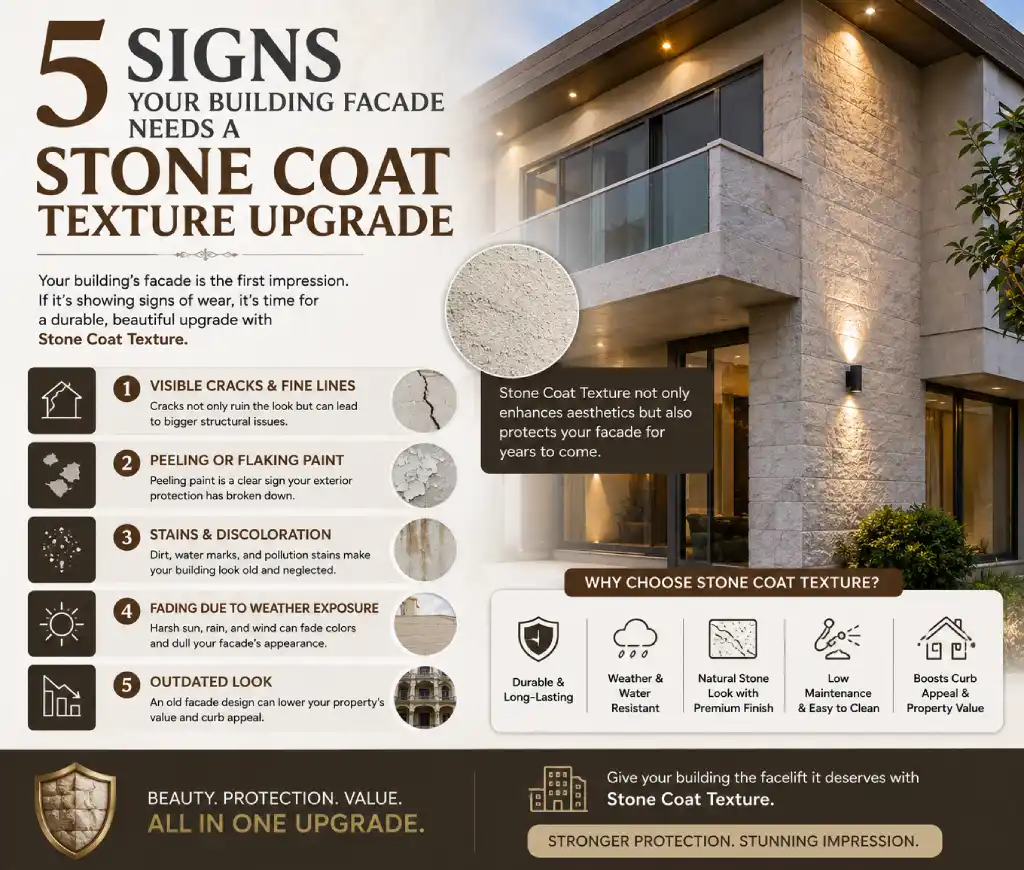
The exterior of a building creates the very first impression. Whether it’s a residential villa, apartment complex, commercial office, hotel, or retail showroom, the facade reflects the property’s quality, style, and overall value. Over time, however, exposure to harsh sunlight, heavy rainfall, pollution, and changing weather conditions can cause exterior walls to lose their charm. Faded paint, visible cracks, damp patches, and outdated finishes are all signs that your building deserves attention.
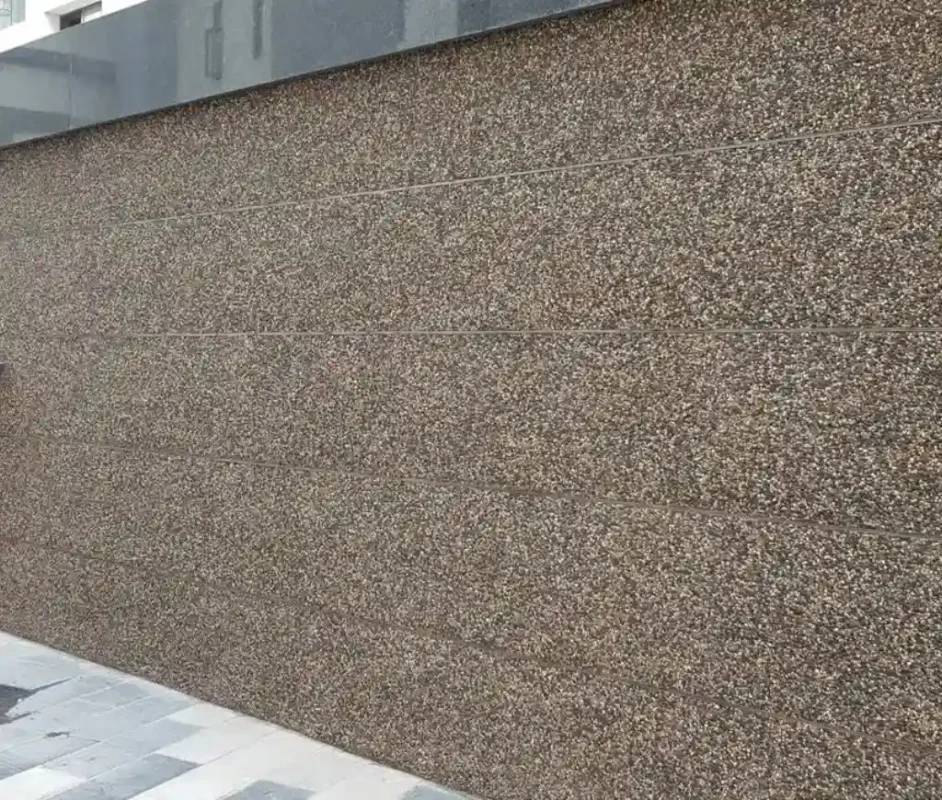
Instead of opting for another coat of conventional paint, many architects and property owners are now choosing stone coat texture for facade applications. Stone coat textures not only refresh the building’s appearance but also provide a durable, weather-resistant finish that lasts for years with minimal maintenance. They add depth, texture, and a premium natural stone look that enhances modern as well as traditional architectural styles.
If you’re wondering whether it’s the right time to renovate your building exterior, here are five clear signs that indicate your facade is ready for a Stone Coat texture upgrade.
Why Your Building Facade Matters
A building’s facade is much more than its outer shell. It protects the structure from environmental damage while also influencing its market value, energy efficiency, and visual appeal. A well-maintained exterior creates a positive impression on visitors, customers, and potential buyers, whereas neglected walls can make even a well-designed building look old and poorly maintained.
With evolving building elevation design trends, textured finishes have become increasingly popular because they combine aesthetics with performance. Stone Coat texture is one such solution that delivers both style and durability, making it a preferred choice for residential and commercial projects alike.
Sign 1: Your Exterior Walls Have Visible Cracks
Small hairline cracks may seem harmless at first, but they are often early indicators of surface deterioration. As moisture enters these cracks, they gradually expand due to weather changes, leading to peeling paint, water seepage, and structural damage if ignored.
A Stone Coat texture upgrade helps conceal minor surface imperfections while creating a strong protective layer over the exterior wall. When applied over a properly prepared surface, it provides improved resistance against weathering and reduces the chances of future surface deterioration.
Rather than repeatedly patching cracks and repainting every few years, investing in a durable textured finish offers a longer-lasting solution that enhances both protection and appearance.
Sign 2: The Facade Looks Outdated
Architectural trends evolve continuously. Buildings that looked modern a decade ago may now appear plain or dated due to ageing paint finishes and changing design preferences.
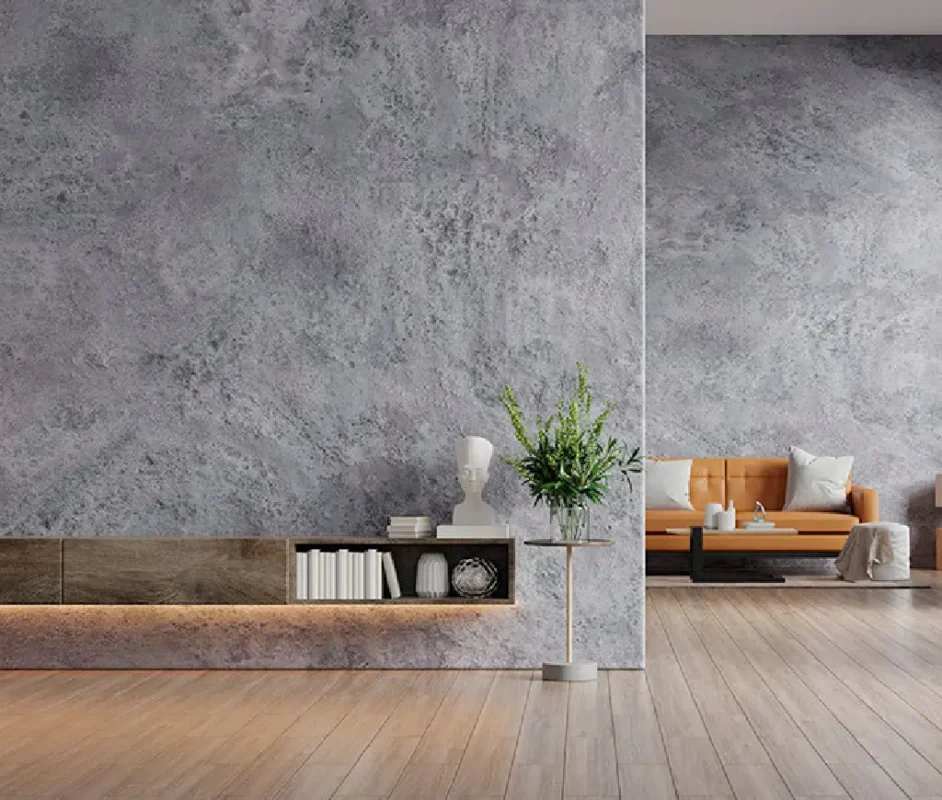
If your property still features flat painted walls with little visual depth, it may be time to consider an upgrade. One of the biggest advantages of stone coat texture for facade applications is their ability to instantly transform ordinary walls into premium architectural surfaces. The textured finish creates dimension, natural stone aesthetics, and a sophisticated appearance without the expense of installing real stone cladding.
This makes Stone Coat an excellent choice during exterior wall renovation projects, especially for homeowners who want a modern elevation without major structural modifications.
Sign 3: Frequent Repainting is Becoming Expensive
Traditional exterior paints require regular maintenance due to fading, chalking, peeling, and weather damage. If your building needs repainting every few years, the maintenance costs can quickly add up.
Stone Coat texture offers a much more durable alternative. Designed to withstand harsh UV rays, rain, dust, and temperature variations, it retains its appearance far longer than conventional paint finishes. Its textured surface also hides minor stains and imperfections more effectively, reducing the need for constant touch-ups.
Although the initial investment may be slightly higher than repainting, the long-term savings in maintenance and repairs often make it a more economical choice.
Sign 4: Dampness and Weather Damage Are Affecting the Walls
External walls are constantly exposed to environmental conditions. Heavy rainfall, humidity, and prolonged sun exposure gradually weaken painted surfaces, causing discolouration, peeling, and moisture-related damage.
If you’ve noticed water stains, paint bubbles, or patches of dampness on your exterior walls, it may be a sign that your current finish is no longer providing adequate protection.
Stone Coat textures are designed to perform well under varying weather conditions. When installed with the correct surface preparation and protective coatings, they help improve the wall’s resistance to moisture penetration while maintaining an attractive finish. This makes them particularly suitable for Indian climatic conditions, where buildings experience intense summers followed by heavy monsoon seasons.
Sign 5: You’re Renovating or Increasing Property Value
Whether you’re renovating your home, preparing a commercial property for leasing, or planning to sell your building, upgrading the facade can significantly improve its perceived value.
A fresh, premium exterior creates a strong first impression and instantly enhances curb appeal. Modern buyers and tenants often evaluate a property’s exterior before stepping inside, making facade upgrades one of the most effective investments during renovation projects.
Among today’s most popular facade texture ideas, Stone Coat stands out because it delivers the elegant appearance of natural stone while remaining more practical and cost-effective than full stone cladding. It provides a timeless finish that complements both contemporary and classic architectural styles.
What to Expect During a Stone Coat Texture Upgrade
Many property owners assume that applying decorative textures is a complicated process. In reality, when handled by experienced professionals, the installation follows a systematic approach that ensures durability and a consistent finish.
The process begins with a thorough inspection of the existing wall surface. Any cracks, loose plaster, or damaged areas are repaired before application. Once the surface is properly prepared, a primer is applied to improve adhesion. The Stone Coat texture is then installed using specialised techniques to achieve the desired finish and texture. Finally, protective sealers or top coats are applied wherever required to improve weather resistance and maintain the texture’s appearance for years.
The exact duration of the project depends on the size of the building, weather conditions, and the complexity of the chosen design. However, professional execution ensures minimal disruption while delivering long-lasting results.
Choosing the Right Stone Coat Texture
Every building has its own architectural character, and the ideal texture should enhance that design rather than overpower it. Modern homes often benefit from finer textures and neutral shades that create a clean and elegant look. Commercial buildings may use bolder textures to establish a premium brand image, while villas and resorts frequently incorporate natural stone-inspired finishes to blend with landscaped surroundings.
When selecting from different facade texture ideas, factors such as colour combinations, surrounding landscape, maintenance requirements, and lighting conditions should all be considered. Working with experienced facade specialists helps ensure the texture complements the property’s overall design while delivering maximum durability.
Why Stone Coat Texture is Becoming a Preferred Choice
Over the past few years, decorative textured finishes have become increasingly popular across residential and commercial developments. Architects appreciate the design flexibility they offer, while property owners value their durability and low maintenance requirements.
Compared to traditional exterior paints, Stone Coat textures provide greater resistance to weather, better visual depth, and a premium finish that remains attractive for years. They can dramatically improve building elevation design without requiring extensive structural changes, making them a practical solution for renovation as well as new construction projects.
For homeowners looking to upgrade their exteriors, Stone Coat offers an excellent balance between beauty, functionality, and long-term performance.
Why Choose Instakrete?
At Instakrete, we specialise in creating decorative exterior finishes that combine architectural elegance with lasting durability. Our Stone Coat texture solutions are designed to withstand India’s challenging climate while enhancing the overall character of your property.
From residential villas and apartments to commercial buildings and hospitality projects, our team focuses on quality workmanship, premium materials, and customised finishes that align with your design vision. Every project begins with understanding your requirements, followed by expert application techniques that deliver exceptional results.
Conclusion
Your building facade is constantly exposed to weather, pollution, and the effects of time. Ignoring early signs like cracks, fading finishes, damp patches, or an outdated appearance can eventually lead to more expensive repairs. Recognising these warning signs early allows you to invest in a solution that not only restores beauty but also improves long-term protection.
Choosing stone coat texture for facade applications is one of the smartest ways to upgrade your building’s exterior. It delivers the timeless elegance of natural stone, enhances curb appeal, improves weather resistance, and reduces maintenance compared to conventional paint finishes. Whether you’re planning an exterior wall renovation, exploring new facade texture ideas, or updating your building elevation design, Stone Coat offers a durable and visually striking solution that adds value for years to come.