
Introduction
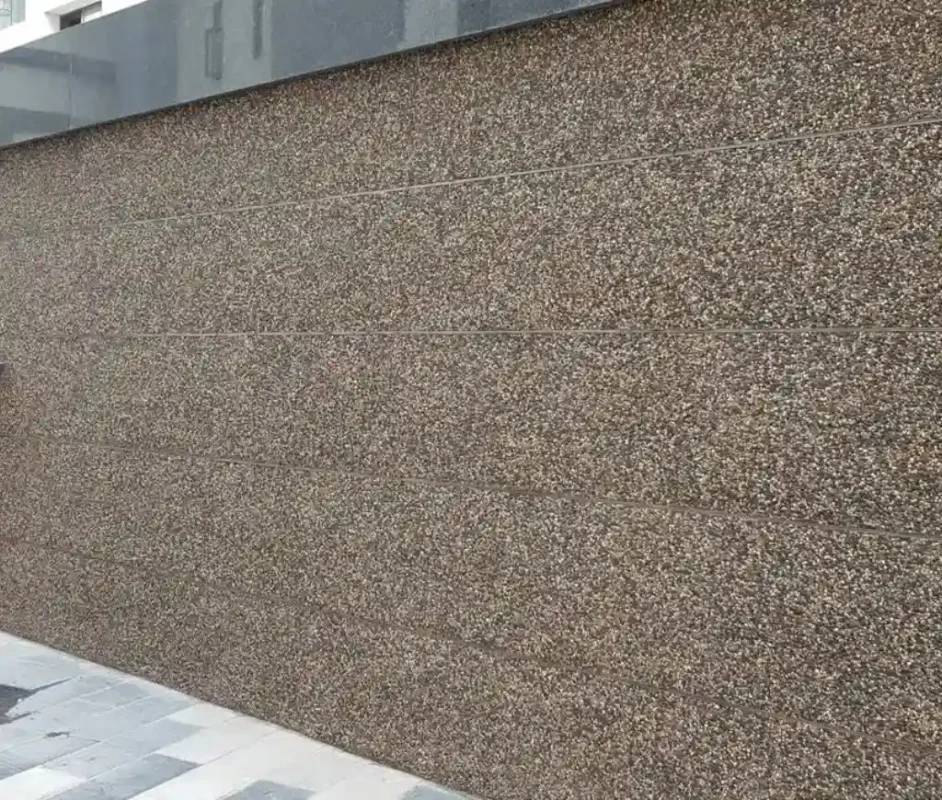
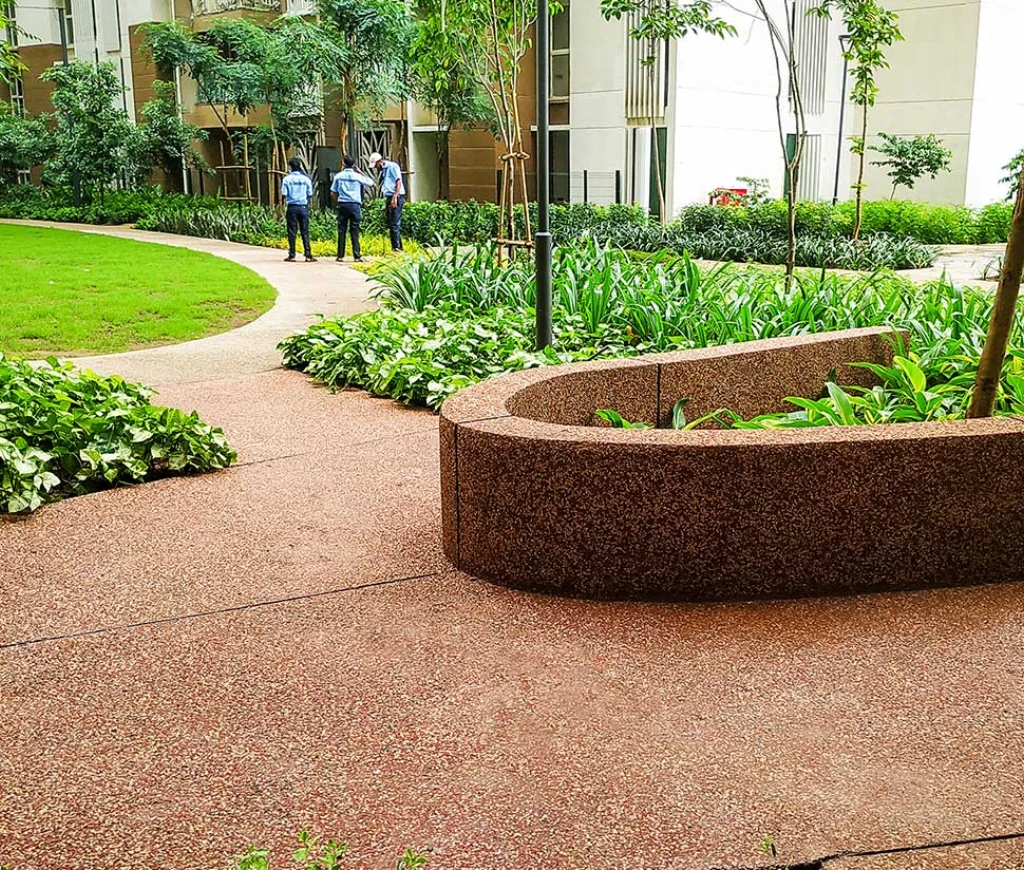
Stonecrete and Pebblecrete flooring have become increasingly popular for homeowners, architects, landscape designers, and commercial property owners looking for outdoor surfaces that combine durability with a distinctive natural appearance. Their textured, stone-rich appearance makes them suitable for driveways, pathways, patios, garden areas, pool surrounds, terraces, courtyards, and other outdoor spaces.
However, installing a durable flooring system is only the beginning. Like any exterior surface, Stonecrete and Pebblecrete floors are exposed to dust, dirt, rainfall, sunlight, vehicle movement, oil stains, leaves, organic debris, and everyday wear. Without regular maintenance, even a premium surface can gradually lose its original appearance.
The good news is that Stonecrete flooring maintenance does not have to be complicated.
With regular cleaning, appropriate stain removal, periodic inspection, and the right protective treatment, you can significantly extend the appearance and performance of your flooring.
For Pune properties, maintenance becomes even more important because outdoor surfaces experience a combination of intense summer sunlight, dust, humidity, and heavy monsoon rainfall.
So, how should you care for Stonecrete and Pebblecrete flooring?
Let’s explore a practical maintenance routine that can help keep your flooring looking attractive and performing well for years.
Understanding Stonecrete and Pebblecrete Flooring
Before discussing maintenance, it is important to understand why these surfaces require a slightly different approach from conventional smooth flooring.
Stonecrete and Pebblecrete finishes incorporate visible aggregate or stone elements to create a textured, natural-looking surface. Rather than hiding the character of the aggregate beneath a completely smooth finish, these flooring systems make the texture part of the design.
This creates a distinctive visual effect while also providing an exterior surface suited to a variety of architectural and landscaping applications.
Instakrete offers Stonecrete flooring and Pebblecrete flooring as part of its landscaping surface solutions in Pune, alongside other architectural finishes.
Because the surface has texture and exposed aggregate characteristics, dust and organic debris can settle into small surface irregularities. This means that regular cleaning is an important part of maintaining the appearance of the floor.
Why Regular Maintenance Matters
Many homeowners think about maintenance only after they notice stains, discoloration, or surface deterioration.
A better approach is preventive maintenance.
Regular care helps prevent small problems from becoming expensive restoration projects. Dust, leaves, mud, algae, oil, food spills, and other contaminants can become increasingly difficult to remove when they are left on the surface for long periods.
Regular maintenance can help:
- Preserve the original appearance
- Reduce staining
- Prevent buildup of dirt and organic matter
- Maintain surface cleanliness
- Protect the finish
- Identify cracks or damage early
- Reduce the need for aggressive cleaning
- Extend the useful appearance of the flooring
The goal isn’t to constantly scrub the floor. It is to establish a simple routine that prevents dirt and contaminants from accumulating.
1. Sweep the Surface Regularly
One of the simplest and most effective steps in stone flooring upkeep is regular sweeping.
Outdoor flooring naturally collects:
- Dust
- Dry leaves
- Small stones
- Soil
- Sand
- Plant debris
- Pollen
- Other outdoor contaminants
If these materials remain on the floor for extended periods, they can become embedded around the textured surface.
For residential spaces, sweeping once or twice a week may be sufficient depending on the location and surrounding landscape.
Areas surrounded by trees, gardens, construction activity, or busy roads may require more frequent cleaning.
Use a suitable soft or medium-bristle broom rather than an excessively aggressive brush that could unnecessarily wear the surface.
2. Wash the Flooring Periodically
Sweeping removes loose debris, but periodic washing is equally important.
For routine cleaning, use clean water and an appropriate mild cleaning solution where required. A low-pressure water wash can help remove accumulated dust and surface dirt.
When washing the floor:
- Remove loose debris first.
- Wet the surface.
- Apply a suitable mild cleaner if necessary.
- Gently agitate areas with visible dirt.
- Rinse thoroughly.
- Allow the surface to dry naturally.
Avoid assuming that stronger chemicals automatically provide better cleaning.
Harsh chemicals can sometimes affect surface finishes, sealers, or surrounding materials. Always ensure that the cleaning product is compatible with the specific flooring system and protective coating.
3. Follow the Right Exposed Aggregate Flooring Cleaning Method
Because Stonecrete and Pebblecrete can feature textured or exposed aggregate surfaces, exposed aggregate flooring cleaning should focus on removing contaminants without unnecessarily damaging the surface.
A practical cleaning sequence is:
Step 1: Dry Cleaning
Sweep away dust, leaves, sand, and loose debris.
Step 2: Wet Cleaning
Use water to loosen remaining dirt.
Step 3: Spot Cleaning
Treat visible stains individually instead of aggressively cleaning the entire floor.
Step 4: Gentle Agitation
Use an appropriate brush where required.
Step 5: Thorough Rinsing
Remove all cleaning residue.
Step 6: Inspection
Once dry, inspect the floor for stains, cracks, chips, or areas requiring professional attention.
This method is generally more effective than repeatedly using harsh chemicals or excessive mechanical pressure.
4. Deal With Spills Quickly
One of the most important rules of pebblecrete flooring care is simple:
Don’t allow stains to sit unnecessarily.
Outdoor floors can be exposed to many staining substances, including:
- Engine oil
- Grease
- Food
- Tea and coffee
- Mud
- Paint
- Fertiliser
- Plant residue
- Rust
- Pet waste
The longer a staining substance remains on a porous or textured surface, the more difficult it may become to remove.
If a spill occurs, absorb or remove it as soon as possible rather than allowing it to dry and spread.
Avoid aggressive scrubbing immediately. First identify what caused the stain and select an appropriate cleaning method.
For stubborn stains, professional cleaning may be preferable to experimenting with strong chemicals.
5. Pay Special Attention to Pune’s Monsoon
Pune’s monsoon season can be particularly demanding for outdoor flooring.
Rainfall brings moisture, mud, leaves, soil, and organic debris onto outdoor surfaces. Shaded areas can remain damp for extended periods, increasing the possibility of dirt and biological buildup.
Before and during the monsoon, inspect your flooring for:
- Drainage problems
- Water accumulation
- Blocked drains
- Organic debris
- Surface staining
- Cracks
- Loose aggregate
- Damaged joints
- Nearby vegetation growth
Good drainage is particularly important.
If water repeatedly remains standing on the floor, the issue should be investigated rather than simply cleaned.
Maintenance isn’t just about cleaning the surface—it is also about ensuring that the surrounding landscape and drainage system are working correctly.
6. Keep Drainage Clear
Water should be able to move away from outdoor flooring efficiently.
Blocked drains and poorly maintained channels can result in prolonged water exposure and unnecessary dirt accumulation.
Regularly clear:
- Drain covers
- Surface channels
- Gutters
- Landscape drains
- Leaves and soil near drainage points
If your driveway or pathway slopes toward a drain, make sure debris isn’t blocking the path of water.
For driveway flooring maintenance in Pune, drainage deserves particular attention because vehicle movement can bring additional soil, oil, and debris onto the surface.
7. Be Careful With Pressure Washing
Pressure washing can be useful for removing stubborn outdoor dirt, but excessive pressure isn’t always the best solution.
A very high-pressure jet directed at a surface from extremely close range can potentially affect the finish, joints, aggregate, or protective coating depending on the flooring system.
If pressure washing is required:
- Use an appropriate pressure setting.
- Maintain a suitable distance from the surface.
- Avoid concentrating the jet on one small area.
- Test an inconspicuous section first.
- Follow the flooring manufacturer’s recommendations.
- Avoid aggressive cleaning simply to achieve a temporary visual improvement.
Professional cleaning is advisable when the surface has significant buildup or when you are unsure about the appropriate pressure level.
8. Consider a Suitable Outdoor Flooring Sealant
A protective sealer can be an important part of long-term maintenance, depending on the specific Stonecrete or Pebblecrete system.
An appropriate outdoor flooring sealant can help protect the surface from environmental exposure and make routine cleaning easier.
Sealing may provide benefits such as:
- Improved stain resistance
- Easier cleaning
- Protection against certain contaminants
- Enhanced appearance
- Reduced surface deterioration
- Better resistance to everyday outdoor exposure
However, not every sealer is suitable for every surface.
The wrong product can alter the appearance, affect slip characteristics, trap moisture, or interfere with the original finish.
Therefore, sealing should be treated as a system-specific decision rather than a one-size-fits-all maintenance step.
9. Don’t Wait Until the Floor Looks Dull
A common maintenance mistake is waiting until the flooring has visibly deteriorated.
By the time a surface appears heavily stained, faded, or neglected, restoration may require considerably more effort than routine maintenance would have.
Instead, create a simple schedule.
Weekly
- Sweep the surface.
- Remove leaves and debris.
- Check high-traffic areas.
Monthly
- Wash the flooring.
- Inspect for stains.
- Check drainage points.
Before Monsoon
- Clean drains.
- Remove accumulated debris.
- Check for cracks and surface issues.
- Inspect areas where water tends to collect.
After Monsoon
- Deep clean if required.
- Remove organic buildup.
- Check for staining.
- Inspect the flooring for any changes.
Periodically
- Evaluate the condition of the protective finish.
- Consider professional inspection or resealing when appropriate.
The exact frequency depends on the flooring system, exposure, traffic, and manufacturer’s recommendations.
10. Maintain Driveways Differently
Driveways experience more demanding conditions than decorative garden pathways.
Vehicles introduce:
- Tyre dirt
- Oil
- Grease
- Mud
- Sand
- Road dust
- Chemical contaminants
This makes driveway flooring maintenance in Pune particularly important.
Sweep the driveway frequently, clean oil and grease spills quickly, and avoid allowing mud or organic debris to accumulate.
It is also worth inspecting the areas where vehicles frequently turn, brake, or park because these locations may experience greater wear.
If the driveway develops persistent staining, don’t repeatedly apply stronger household chemicals. Instead, identify the type of stain and use a compatible professional cleaning solution.
11. Prevent Organic Growth
Outdoor floors located near gardens, trees, pools, or shaded areas can accumulate organic material.
Leaves, moss-like buildup, algae, and other organic contaminants can make surfaces appear dirty and may also affect slip conditions when wet.
Regularly remove leaves and plant debris.
Trim vegetation where necessary to improve airflow and sunlight around persistently damp areas.
If biological growth becomes significant, use a cleaning treatment that is specifically appropriate for the flooring system rather than using an aggressive chemical without checking compatibility.
12. Protect the Flooring During Construction and Renovation
If you are renovating your home after installing Stonecrete or Pebblecrete flooring, protect the surface.
Construction activities can expose the floor to:
- Cement residue
- Paint
- Adhesives
- Metal dust
- Cutting debris
- Plaster
- Heavy equipment
- Furniture movement
Don’t allow construction materials to sit directly on the finished floor.
Use appropriate protective coverings and ensure that they do not trap moisture underneath for extended periods.
Also avoid dragging heavy materials across the finished surface.
Preventing damage is always easier than repairing it.
13. Don’t Use Random Household Chemicals
One of the biggest mistakes in flooring maintenance is using whatever cleaning product happens to be available.
Acidic cleaners, strong solvents, concentrated bleach, abrasive powders, or other harsh chemicals may not be compatible with your flooring or its protective coating.
Before using any chemical cleaner, check:
- The flooring manufacturer’s recommendations
- The sealer manufacturer’s instructions
- The type of stain
- The surface finish
- Recommended dilution
- Suitable application method
When in doubt, professional advice is safer than trial and error.
14. Address Damage Early
Regular inspection allows you to catch small problems before they become bigger ones.
Look for:
- Cracks
- Chips
- Loose aggregate
- Uneven areas
- Surface deterioration
- Persistent stains
- Drainage-related problems
- Changes in the protective coating
If you notice a problem, identify the cause before attempting a cosmetic repair.
For example, if cracking is related to substrate movement, simply filling the visible crack may not solve the underlying issue.
Similarly, if staining is caused by ongoing oil leakage, repeatedly cleaning the surface won’t address the source.
Good stonecrete flooring maintenance combines cleaning with proper diagnosis.
15. Avoid Unnecessary Abrasion
Stonecrete and Pebblecrete flooring are designed to provide a durable textured finish, but unnecessary abrasion can affect the appearance over time.
Avoid routinely using:
- Extremely stiff wire brushes
- Abrasive powders
- Aggressive grinding
- Uncontrolled high-pressure cleaning
- Harsh scouring techniques
Routine maintenance should be gentle and consistent.
Save aggressive restoration techniques for situations where they are genuinely required and preferably have them carried out by professionals.
Stonecrete & Pebblecrete Maintenance: Common Mistakes to Avoid
Even well-designed flooring can suffer when maintenance practices are inappropriate.
Mistake 1: Ignoring stains
Oil and other contaminants become harder to remove when left untreated.
Mistake 2: Using strong chemicals
A powerful cleaner isn’t necessarily a suitable cleaner.
Mistake 3: Excessive pressure washing
More pressure doesn’t always mean better cleaning.
Mistake 4: Ignoring drainage
Persistent standing water can create long-term maintenance problems.
Mistake 5: Skipping inspections
Small cracks and surface issues can become more difficult to address later.
Mistake 6: Applying the wrong sealer
Sealants must be compatible with the specific flooring system.
Mistake 7: Neglecting the monsoon
Pune’s rainy season deserves a dedicated maintenance check.
A Simple Long-Term Maintenance Routine
If you want a straightforward routine for your property, follow this approach:
Sweep → Wash → Inspect → Treat stains → Maintain drainage → Protect → Professionally inspect when needed
This simple cycle can help keep your Stonecrete or Pebblecrete surface looking clean and well-maintained without requiring excessive effort.
The most important principle is consistency.
Ten minutes of routine maintenance can often be more useful than waiting several years and then attempting to restore a heavily neglected surface.
Can Proper Maintenance Keep Stonecrete and Pebblecrete Looking New?
With appropriate installation, regular maintenance, suitable cleaning methods, and timely protective treatment, Stonecrete and Pebblecrete flooring can retain its visual appeal for many years.
However, “lifetime of shine” should not be interpreted as zero maintenance.
Outdoor flooring is constantly exposed to the environment. Sunlight, rain, dust, traffic, temperature changes, and everyday use naturally affect every surface.
The objective of maintenance is not to prevent every sign of ageing.
Instead, it is to control wear, preserve the character of the surface, prevent avoidable damage, and keep the flooring performing and looking its best for as long as possible.
Why Professional Installation Matters
Maintenance begins before you ever clean the floor.
A properly designed and installed flooring system provides a stronger foundation for long-term performance.
Surface preparation, substrate condition, drainage, material selection, application technique, finishing, curing, and protective treatment all influence how the finished floor behaves over time.
This is particularly important for outdoor applications in Pune, where flooring must deal with both intense sunlight and seasonal rainfall.
Instakrete focuses on architectural surfaces and landscaping finishes in Pune, including Stonecrete and Pebblecrete flooring solutions. Its broader portfolio also includes microtopping, stone-look coatings, lime plaster, Moroccan plaster, mud plaster, and other decorative surface systems.
Choosing an experienced professional therefore isn’t just about achieving an attractive finish on installation day. It can also make future maintenance easier and more predictable.
Final Thoughts
Stonecrete and Pebblecrete flooring offer a distinctive combination of texture, durability, and natural visual appeal, making them excellent choices for many outdoor spaces.
But even the most durable flooring needs care.
The key to successful stonecrete flooring maintenance is surprisingly simple: clean regularly, remove stains quickly, keep drainage clear, avoid incompatible chemicals, inspect the surface periodically, and use suitable protective treatments when necessary.
For Pebblecrete, consistent pebblecrete flooring care is equally important. Its textured surface can collect dust and organic debris, making routine cleaning particularly valuable.
For Pune homeowners, a seasonal maintenance routine is especially useful. Prepare your flooring before the monsoon, clean it after periods of heavy rain, and monitor areas exposed to high traffic, vehicles, water, and direct sunlight.
Ultimately, maintaining your flooring isn’t about constantly working on it. It’s about preventing small issues from becoming major ones.
With the right installation and a thoughtful maintenance routine, your Stonecrete or Pebblecrete flooring can continue to add character, functionality, and long-lasting appeal to your property for years to come.