
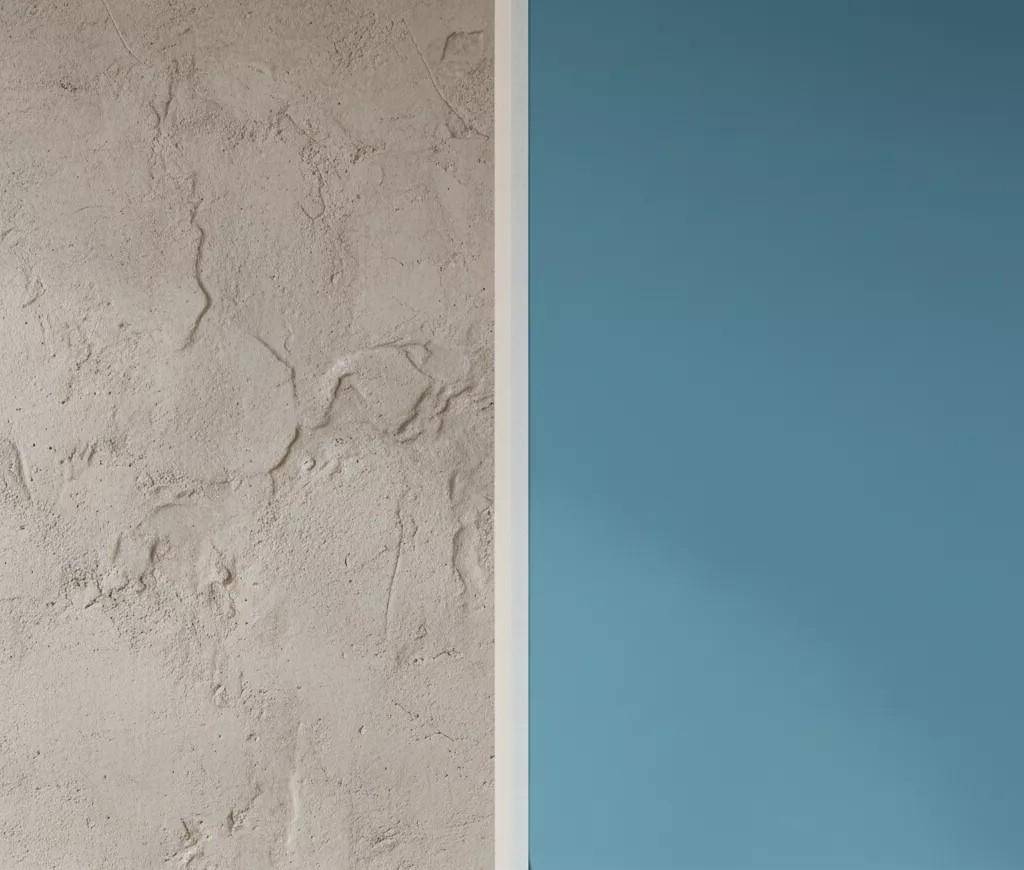
When designing interiors or exteriors, one of the biggest decisions homeowners and architects face is Wall Texture vs Paint. Both options enhance walls, but they differ in durability, aesthetics, maintenance, and long-term value. Choosing the right finish can completely transform a space while also protecting surfaces from damage.
In this guide, we’ll break down Wall Textures vs Paint in terms of design impact, cost, performance, and maintenance so you can make an informed decision for residential or commercial projects.
Wall Texture vs Paint: Understanding the Basics
Before comparing performance, it’s important to understand what each option offers in the Wall Textures vs Paint debate.
What is Wall Texture?
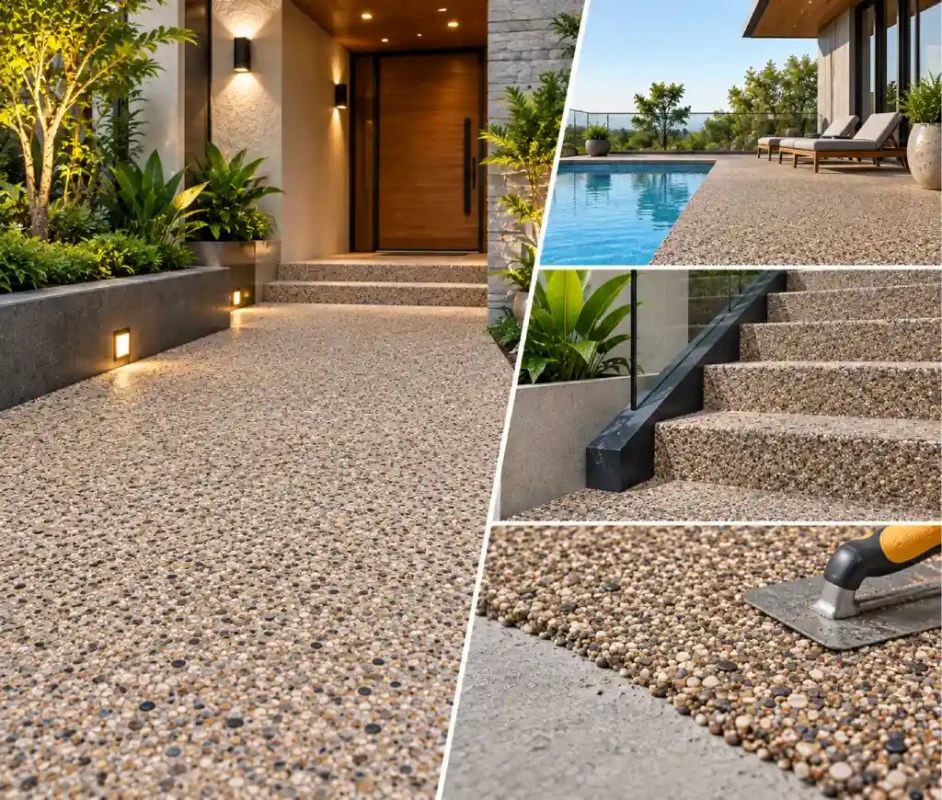
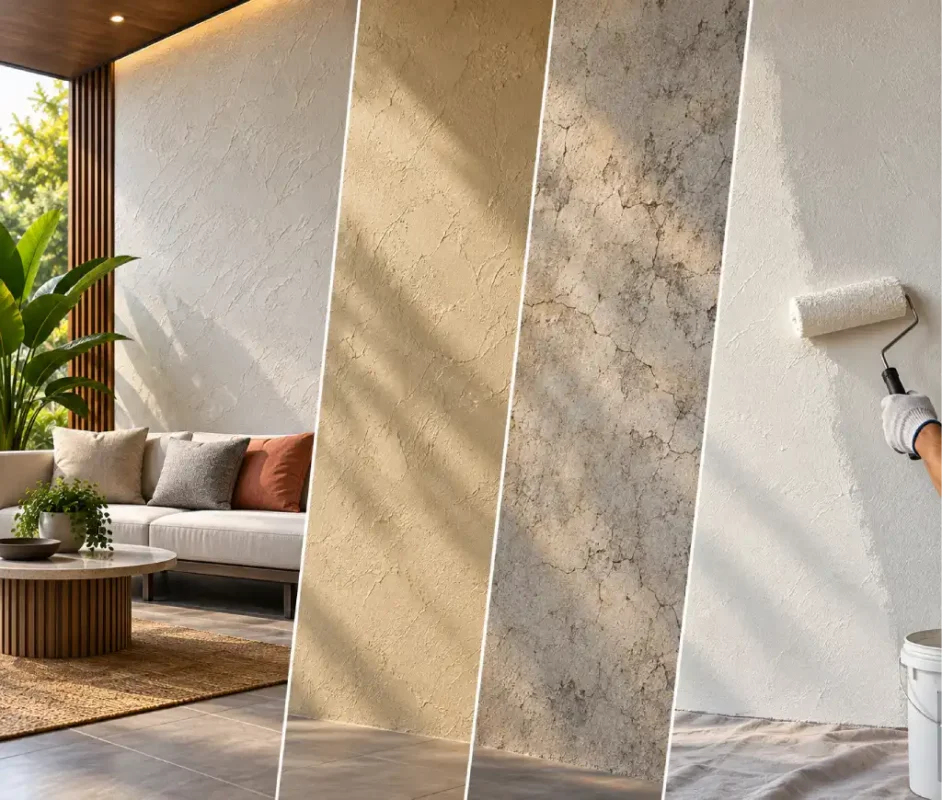
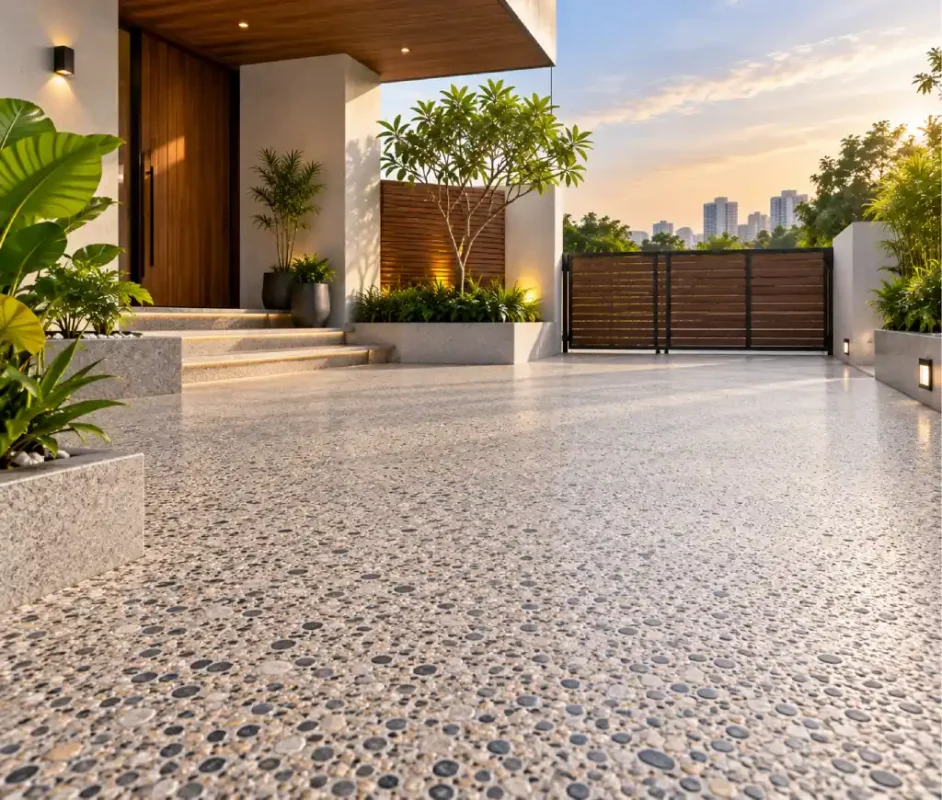
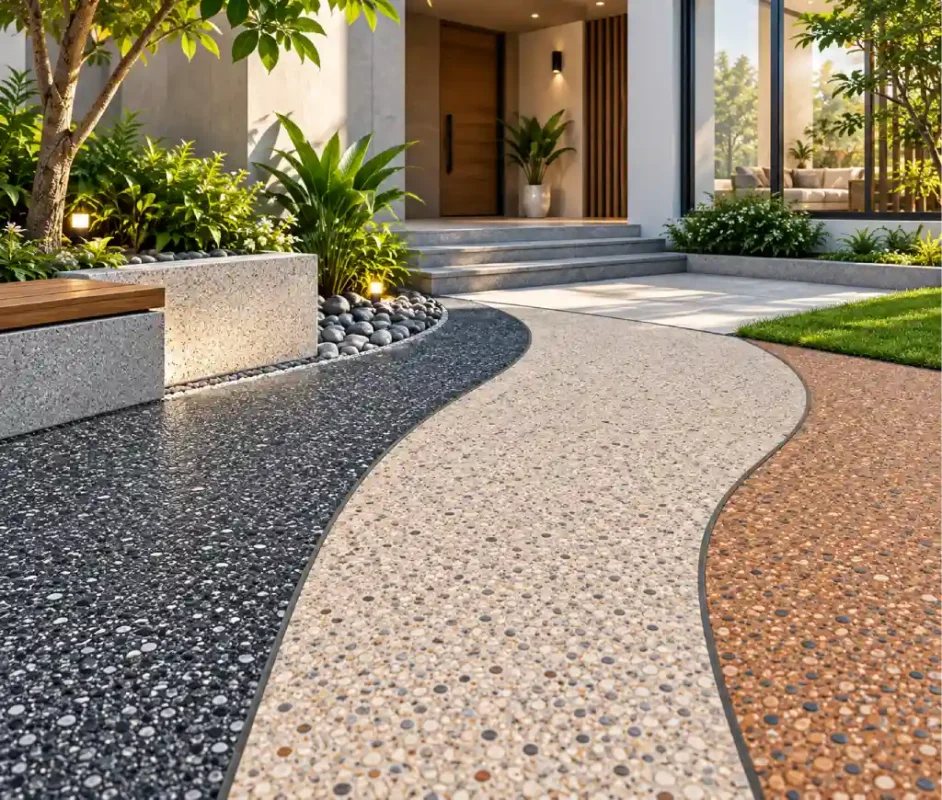
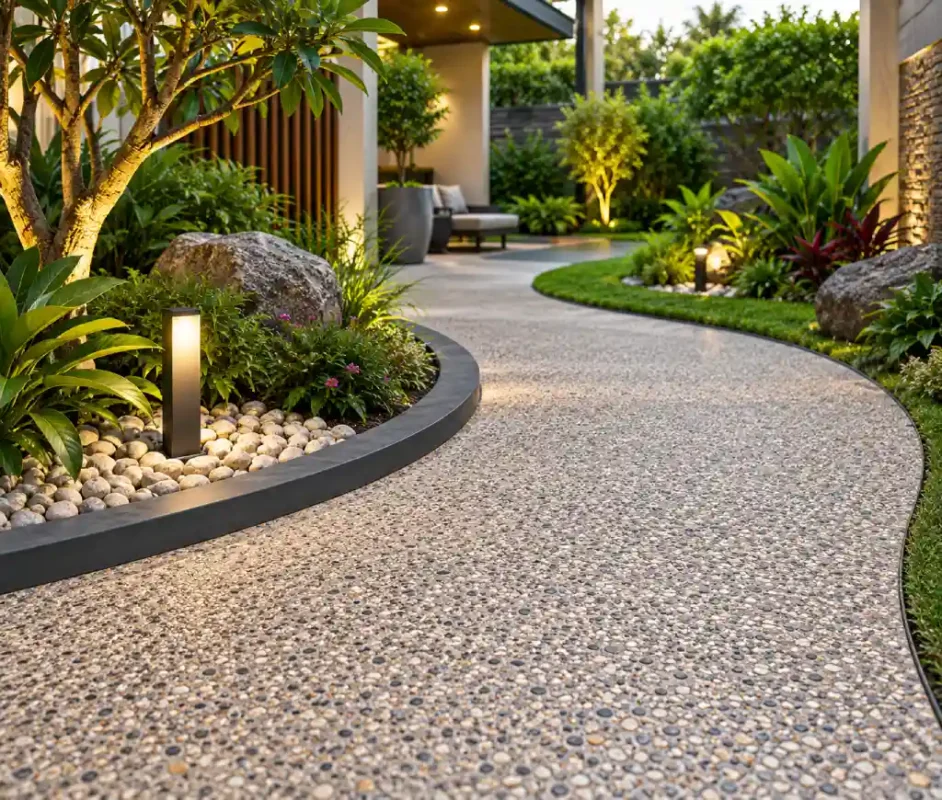
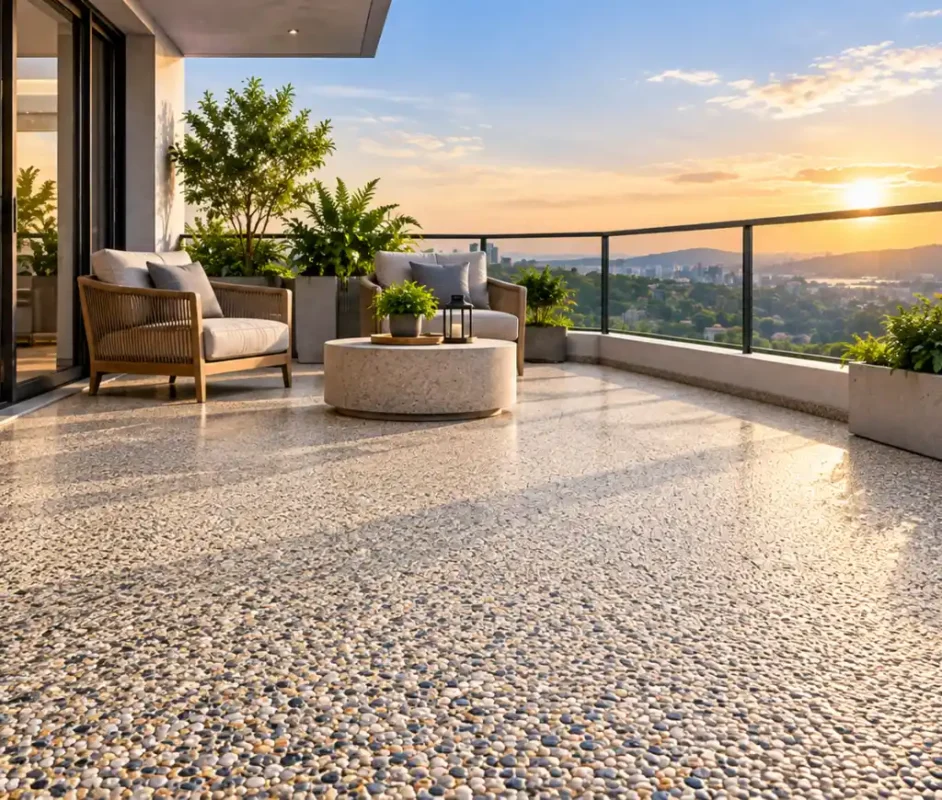
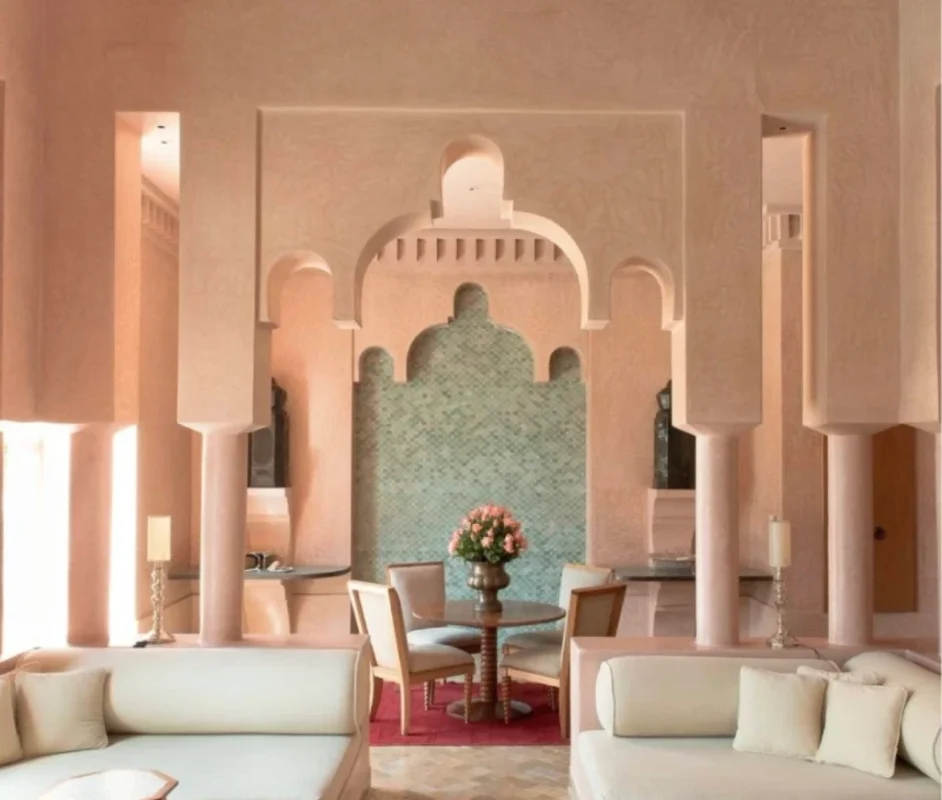
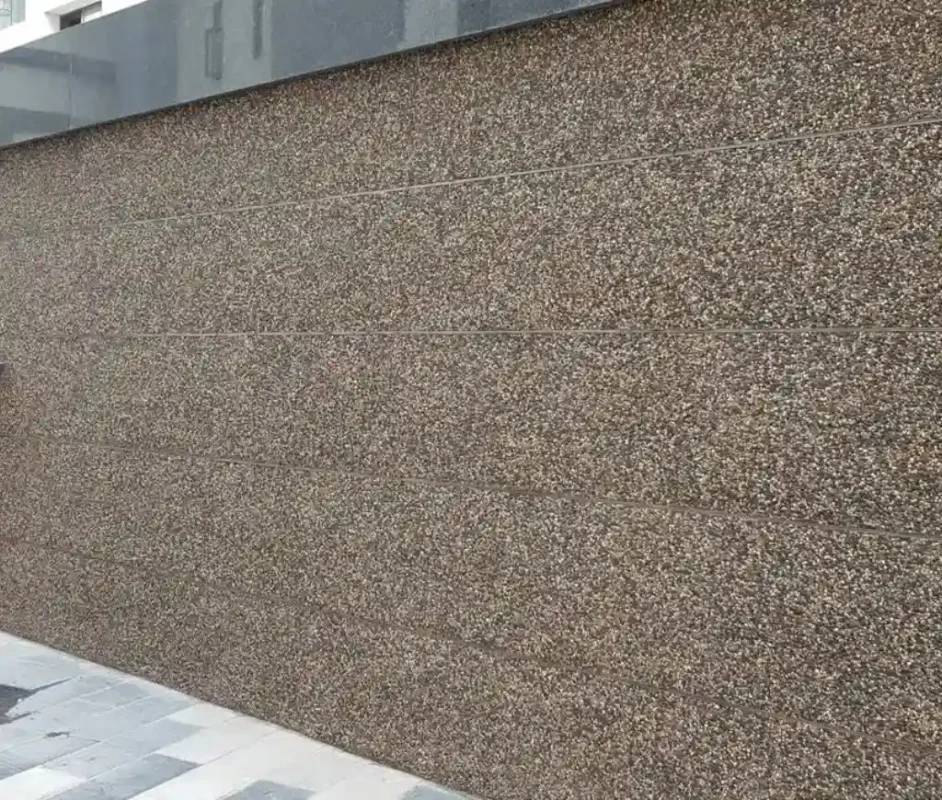
Wall textures are decorative coatings or finishes applied to surfaces to create patterns, depth, and a premium look. From concrete finishes to rustic and luxury effects, textures add character and long-lasting protection.
What is Paint?
Paint is a liquid coating applied to walls primarily for color and basic surface protection. Standard paints offer smooth finishes and are widely used due to affordability and ease of application.
In the Wall Texture vs Paint comparison, textures focus on aesthetics and durability, while paint is often chosen for simplicity and cost efficiency.
Wall Texture vs Paint: Key Differences That Matter
Understanding how Wall Textures vs Paint performs across different parameters helps in choosing the right solution.
1. Appearance and Design Impact
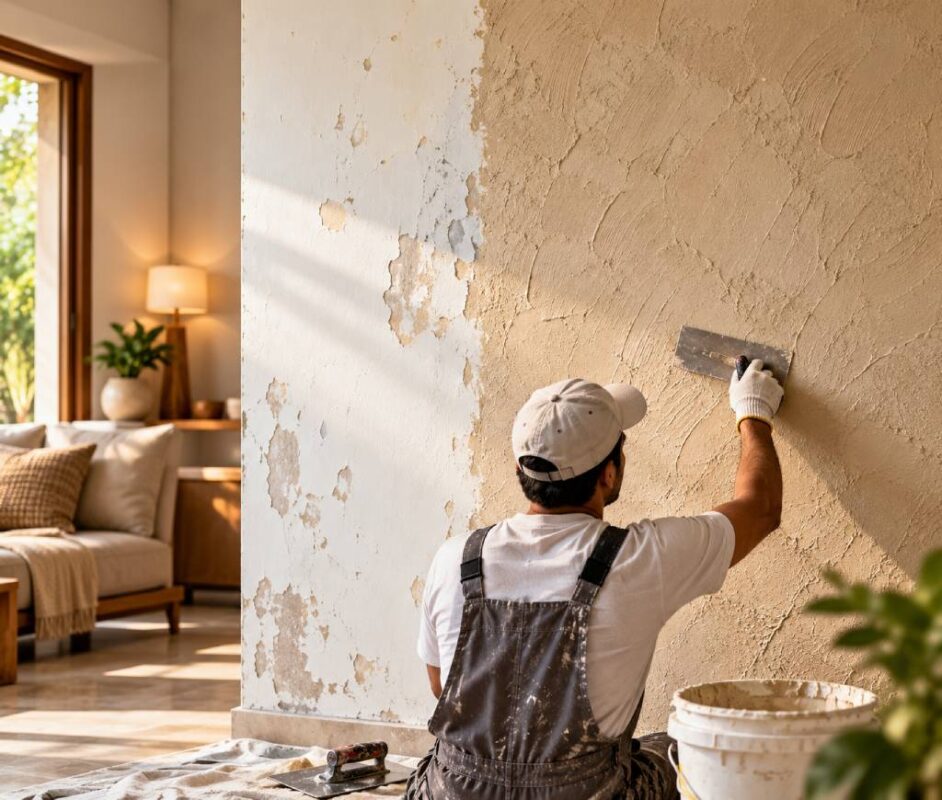
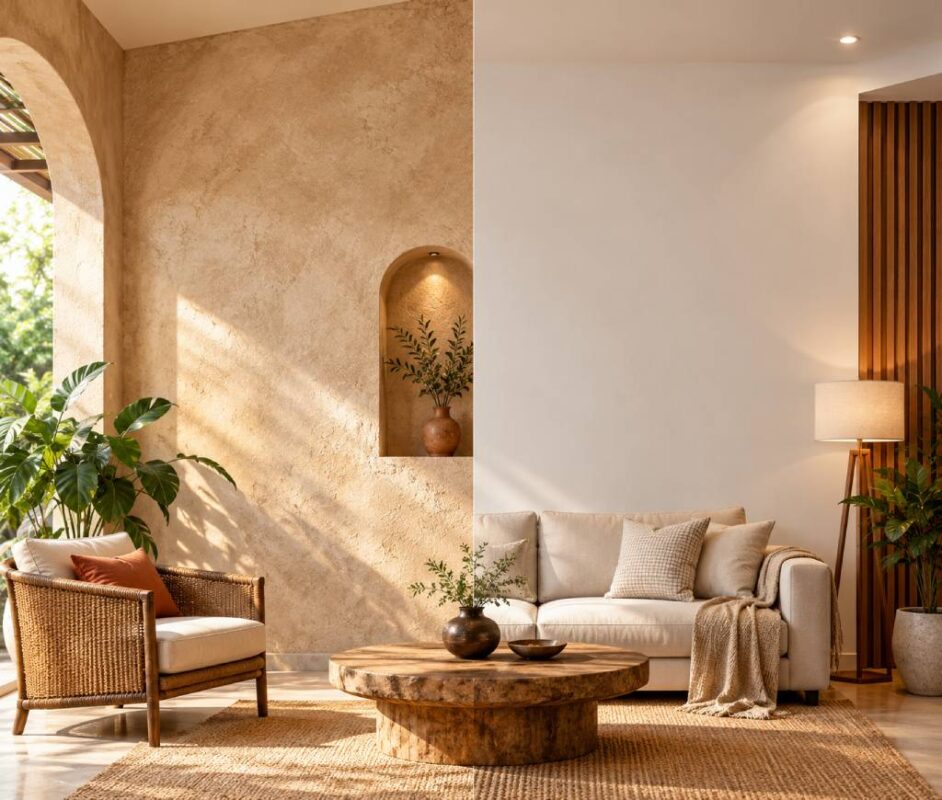
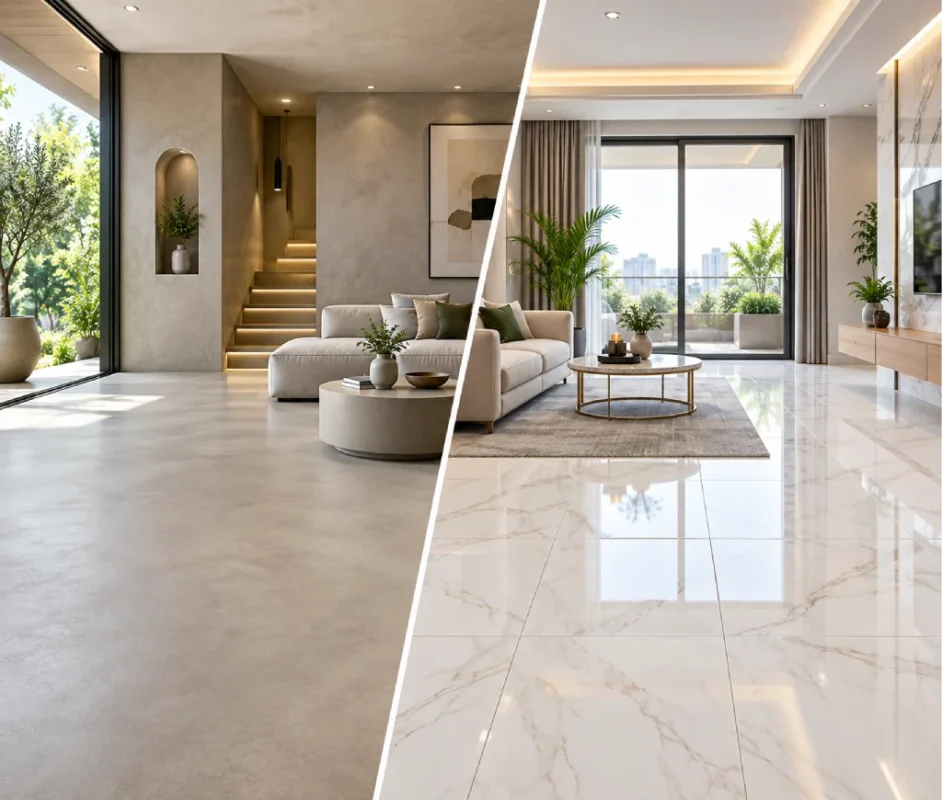
In terms of visual appeal, Wall Texture vs Paint shows a clear difference. Textures provide depth, luxury finishes, and unique design possibilities, while paint offers clean, flat surfaces with limited dimensionality.
2. Durability and Lifespan
Another major factor in Wall Textures vs Paint is longevity. Decorative coatings are generally more resistant to scratches, minor cracks, and wear compared to standard paint, which may require repainting over time.
3. Maintenance and Cleaning
When comparing Wall Textures vs Paint, textured surfaces tend to hide imperfections better and require less frequent touch-ups. Paint, especially lighter shades, may show stains and marks more easily.
Wall Texture vs Paint for Interior Applications
Choosing between Wall Textures vs Paint for interiors depends on design goals and functional needs.
Accent Walls and Feature Areas
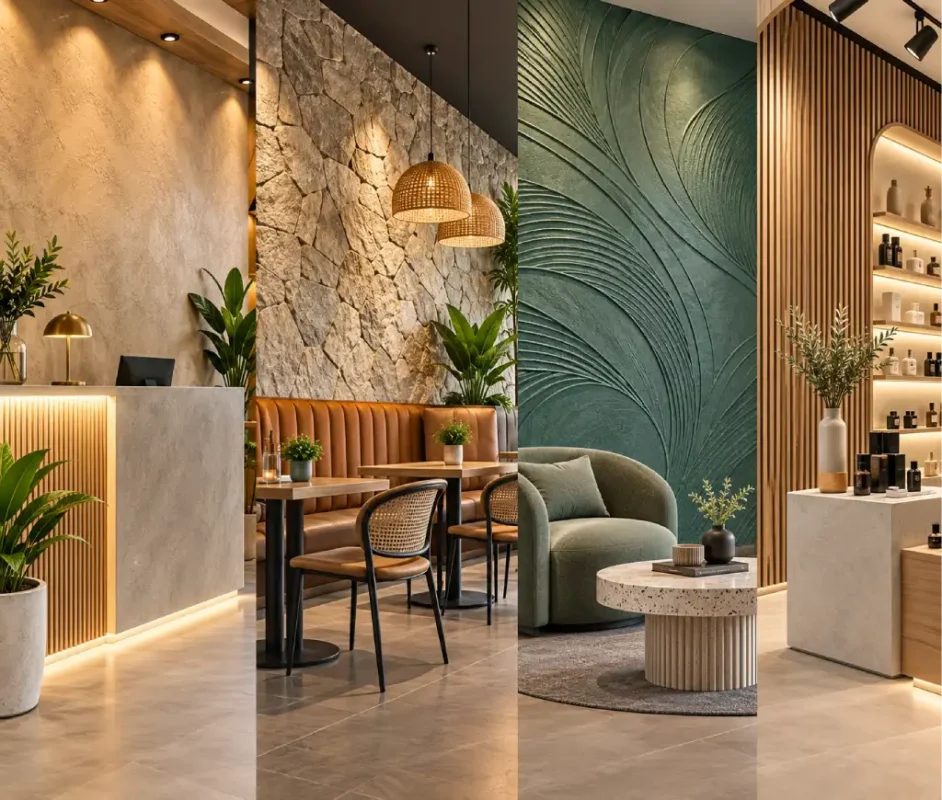
Textures work well for statement walls, living rooms, and commercial interiors where visual impact matters. In the Wall Textures vs Paint discussion, textures often win when the goal is to create a premium look.
Bedrooms and Minimal Spaces
Paint is still popular for bedrooms and minimalistic interiors where simplicity and uniformity are preferred. However, subtle textures are increasingly used to add warmth without overwhelming the space.
Offices and Retail Spaces
For commercial interiors, Wall Texture vs Paint decisions often favor textured coatings due to their durability and professional aesthetic.
Wall Texture vs Paint for Exterior Walls
Exterior surfaces require finishes that withstand environmental challenges. The Wall Textures vs Paint comparison becomes especially important for outdoor use.
Weather Resistance
Decorative exterior coatings are typically more resistant to rain, humidity, and UV exposure. In the Wall Textures vs Paint debate, textures provide stronger long-term performance in harsh climates.
Crack Coverage
Textures help conceal minor surface imperfections and cracks. Paint, on the other hand, may highlight uneven surfaces, making Wall Textures vs Paint an important consideration for older buildings.
Wall Texture vs Paint: Cost Comparison
Budget is always a deciding factor in the Wall Textures vs Paint decision.
- Initial Cost: Paint is usually cheaper upfront.
- Long-Term Value: Textures may have higher installation costs but offer longer life and fewer maintenance cycles.
- Return on Investment: Premium textured finishes can enhance property value and visual appeal.
When evaluating Wall Texture vs Paint, consider lifecycle costs rather than just initial pricing.
Wall Texture vs Paint: Pros and Cons
Advantages of Wall Texture
- Premium and unique aesthetics
- Higher durability
- Conceals surface flaws
- Suitable for feature walls and facades
Advantages of Paint
- Budget-friendly application
- Quick installation
- Easy color changes
- Suitable for minimal interiors
A balanced Wall Texture vs Paint approach often combines both — textures for focal areas and paint for larger surfaces.
Wall Texture vs Paint: Which One Should You Choose?
The final choice in the Wall Textures vs Paint discussion depends on:
- Design vision and style preferences
- Environmental exposure
- Maintenance expectations
- Budget and long-term planning
For luxury interiors and durable exteriors, textures are often the preferred solution. For quick renovations or minimal designs, paint remains a practical option.
Conclusion: Wall Texture vs Paint — Making the Right Decision
The Wall Textures vs Paint comparison isn’t about choosing one universally better option; it’s about selecting the right finish for your project’s needs. Textures offer premium aesthetics and long-lasting protection, while paint provides simplicity and affordability.
By understanding the strengths of each solution in the Wall Textures vs Paint debate, homeowners, architects, and developers can create walls that are both visually striking and functionally durable.
👉 Explore Instakrete’s Products
https://instakrete.in/products/
How to Set aside trusty delegate solutions
In the today’s virtual locale, the resort to of proxy tools has befit a depreciating proxy of the feat of many professionals. Whether it’s web scraping, account directorship, or overcoming blocks, the calibre of the selected tool immediately dictates the effectiveness of the proceeding.
Types of proxy tools https://atpimety.com
Ресурс [url=https://plankidi.space/]Пландій[/url] надає чіткі й стислі відповіді на актуальні питання про закони, ТЦК, навчання й побут. Кожен розбір побудована за чіткою структурою: відповідь → підстава → дата актуальності. Максимально коротко. Свіжі відповіді виходять щодня.
Стисло: регулярна стрічка про Франківськ і область без зайвого. Тут розміщують про події міста, ТЦК, транспорт, економіку, кримінал, культуру тощо. Кожен матеріал має ім’я автора і дату публікації. На головній сторінці тримають лічильник втрат ворога згідно з даними Генерального штабу ЗСУ.
Усі новини і матеріали — на [url=https://mgk.if.ua/]mgk.if.ua[/url]
Коротко: щоденна стрічка про місто і регіон без зайвого. Тут публікують про місцеві події, ТЦК, маршрутки, економіку, кримінал, дозвілля тощо. Кожна новина має ім’я автора і дату публікації. На головній розміщують лічильник втрат російських військ за даними Генерального штабу ЗСУ.
Повна стрічка і архів — на [url=https://frankifiranki.space/]frankifiranki.space[/url]
News129.online is a growing digital information platform focused on delivering useful information, interesting articles, and relevant updates. Its growing collection includes content related to current developments, useful ideas, interesting subjects, and topics worth exploring.
News129.online is created for people who enjoy discovering new information, reading about different topics, and following noteworthy developments. More content is available at https://news129.online. News129.online aims to make content easy to access and straightforward to read, as the platform continues to expand with new publications and topics.
How to Restrictive high-quality substitute tools
In the current practical medium, operation of surrogate servers has befit a imperative factor of action of various specialists. Whether it’s facts parsing, promote superintendence, or accessing restricted resources, the unvarying of the selected machine fully dictates the triumph of the reprimand.
Kinds of surrogate servers https://atpimety.com
Интересует накрутку реакций в тг без бана. Нужны были реакции на посты. Смотрел: [url=https://nakrutka-reakcij-v-tg-1050.ru]nakrutka-reakcij-v-tg-1050.ru[/url]. Проверил — реакции встали быстро. Для канала зашло.
Ресурс [url=https://ananew.space/]ananew.space[/url] — це український ресурс із корисними порадами та актуальними матеріалами на кожен день.
Ресурс викладає детальні статті на теми:
готування та рецепти;
сад та город;
хитрощі для дому;
догляд за домашніми тваринами;
медицина;
гроші;
життєписи видатних людей;
ремонт та ремонт.
Статті викладені чітко і по суті: відповідають на одне чітке питання, дають строки, розміри, покрокові інструкції і поширені помилки. Понад 50 тематичних рубрик, матеріали регулярно оновлюється. Головна мова — українська, для багатьох статей є варіант російською мовою.
Насправді це практичний посібник із практичними рекомендаціями для дому, городу та буденних справ.
I by a hair’s breadth reviewed slotsguide.co.za while researching online casino games. This resource offers helpful message respecting different pigeon-hole formats and gameplay elements. Its explanations are calmly to conform to, making it practical due to the fact that both up to date players and prepared users. It provides a expedient overview of the enslave.
Привіт, народ! Чи не так часто трапляється: хочеш знайти толкову пораду щодо ремонту або будівництва, а треба переглянути купу ресурсів, перш ніж натрапиш на якісний матеріал. Набагато простіше, коли всі перевірені ресурси зібрані в одному місці.
Власне, такий ресурс як ioutubild.space — справжній будівельний навігатор. На одній сторінці зібрані найкращі українськомовні сайти за темами:
– будівельні технології та архітектурні рішення;
– дизайн інтер’єру та креативні концепції;
– практичні поради для майстрів;
– оздоблення та життєві хитрощі;
– облаштування саду, городу та заміського життя.
Нехай це буде ваш перший крок у пошуках натхнення та дієвих рекомендацій. Ось пряме посилання: [url=https://ioutubild.space/]ioutubild.space[/url] Зберігайте у вибраному та заощаджуйте години пошуку!
Водительские права: Полный гид
Приобретение документа — это серьезная процедура для любого человека, который хочет водить автомобиль. Это официальное разрешение, которое позволяет законно ездить по трассам в общественном пространстве.
Категории прав
Водительские права не являются универсальными. Они классифицированы по типам в зависимости от того, какой транспорт вы планируете эксплуатировать.
Выбор категории должен планироваться осознанно, исходя из ваших планов.
Процесс оформления
Чтобы стать водителем, необходимо пройти обучение в курсах вождения. Этот процесс состоит из нескольких ключевых блоков.
1. Теоретическая подготовка. Вы должны запомнить правила дорожного движения. Это база, без которой безопасное вождение не представляется возможным.
2. Тренировки на авто. Упражнения требует непрерывного обучения. Инструктор помогает наработать опыт над транспортным средством.
3. Сдача экзаменов. Это завершение обучения. Вам предстоит ответить на вопросы и показать мастерство в на дорогах.
Обновление прав
Права не являются бессрочными. У них есть срок действия. Когда срок заканчивается, необходимо переоформить документ.
Процесс обновления обычно предполагает медицинскую комиссию и подачу заявления в государственных органах.
Утеря прав [url=https://voronezh.xwbnpxx-sammoskpravabsammoskpravabsammoskp-sam-moskpravab.click/]права на автомобиль в москве[/url] также обязывает к быстрым мерам. Вам нужно сообщить в полицию и получить дубликат.
Закон и правила
Нахождение за рулем без удостоверения влечет наказание. Штрафы могут быть очень высокими, а в тяжелых случаях возможен ограничение права управлять.
Следование регламенту — это залог безопасности как для самого водителя, так и для попутчиков.
В итоге стоит сказать, что водительское удостоверение — это не просто бумажка, а огромная ответственность, требующая постоянного внимания.